Artists sell fewer physical albums than previous generations. Download sales collapsed. Streaming payouts remain controversial. Fans constantly complain about ticket prices and subscription fatigue. And yet many major pop stars are wealthier than artists from earlier music eras ever were.
How?
Because the definition of a “music career” changed completely.
Album Sales No Longer Drive The Industry
For decades, album sales determined success. Artists released albums every few years, and physical purchases generated enormous revenue. Platinum certifications mattered financially because fans had to buy the music directly.
Streaming dismantled that model.
Most listeners now consume music through subscriptions rather than ownership. That means artists rarely depend on pure album sales for income the way they once did.
Modern Pop Stars Operate Like Brands
Today’s biggest artists function more like multimedia businesses than traditional musicians.
Music still sits at the center, but revenue increasingly comes from surrounding ecosystems:
- Touring
- Merchandise
- Brand deals
- Licensing agreements
- Fashion collaborations
- Beauty brands
- Social media monetization
- Exclusive fan experiences
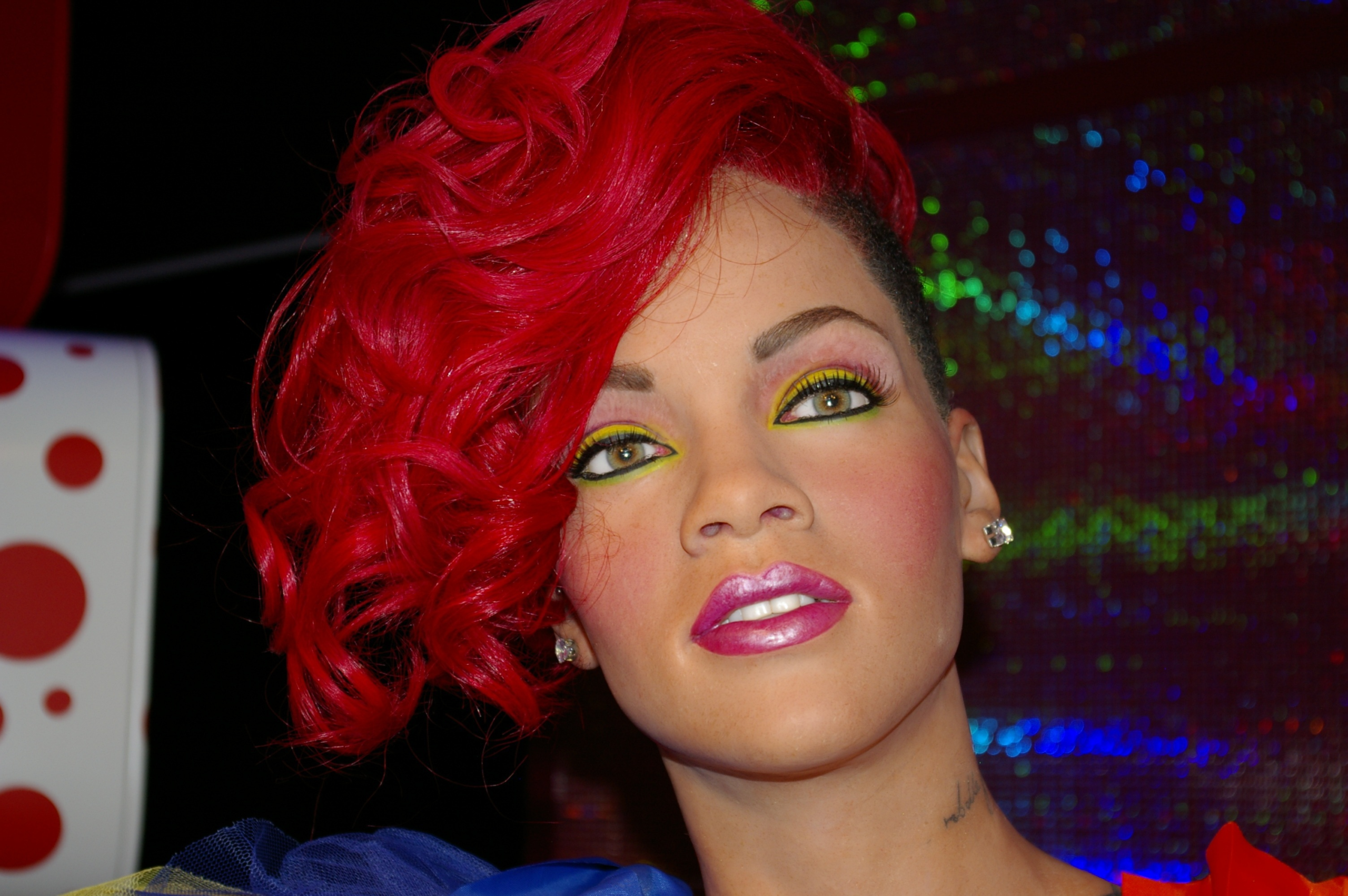
Artists like Rihanna became billionaires largely through business expansion beyond recorded music itself.
The songs create visibility. The visibility fuels everything else.
Touring Became Financially Dominant
Live performance now generates extraordinary revenue for major artists. A massive stadium tour can outperform years of album sales because ticket pricing, VIP packages, sponsorships, and merchandise create multiple simultaneous income streams.
Artists like Taylor Swift transformed touring into a full-scale economic phenomenon capable of generating billions across entire ecosystems surrounding the shows. In modern pop, the concert often matters financially more than the album release itself.
Streaming Rewards Longevity Over Purchases
Streaming also changed how revenue accumulates. Instead of relying heavily on one-time purchases, artists now earn continuously as long as listeners keep streaming songs. Huge catalogs generate recurring monthly income indefinitely.
That creates a different financial structure:
- Smaller immediate spikes
- Larger long-term consistency
- Global audience expansion
- Endless catalog monetization
Older hits continue working financially long after release.

The PopMusicTrends Insiders summed it up in brutal fashion:
“Some pop stars stopped selling albums and started selling access to their existence.”
Honestly? That’s not far from reality.
Fans Spend Differently Now
Consumers still spend money on artists. They just spend it differently.
Instead of buying multiple CDs annually, fans now spend on:
- Tour tickets
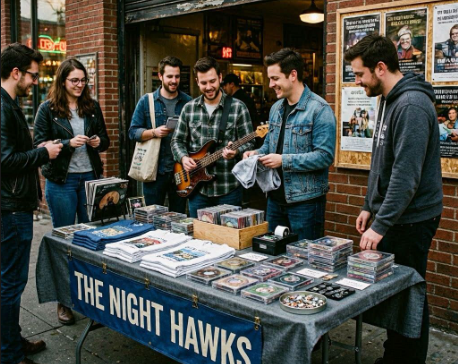
- Vinyl collectibles
- Hoodies
- VIP experiences
- Subscription communities
- Limited-edition merch
- Exclusive content
Fandom became experience-driven rather than ownership-driven. That transition created surprisingly powerful new revenue opportunities for artists capable of maintaining strong fan relationships.
Pop Stardom Became Bigger Than Music Alone
The core shift is simple: music itself is no longer the only product. Modern pop stars monetize identity, fandom, culture, aesthetics, access, and visibility simultaneously. Album sales may have declined, but the overall business surrounding celebrity grew dramatically.