There was a time when concert merch mostly meant an overpriced black T-shirt you bought impulsively while leaving an arena.
Now merch is an entire economy.
For modern pop stars, merchandise is no longer just a side business attached to music. In many cases, it’s one of the most important revenue streams sustaining an artist’s career. Hoodies, vinyl variants, jewelry collaborations, candles, tote bags, pajamas, coffee-table books, and limited-edition drops now generate serious money in ways album sales often no longer can.
Streaming Changed The Financial Model
The biggest reason merch exploded is simple: streaming changed how artists earn money.
Physical album sales once generated enormous revenue for major artists. Fans purchased CDs, deluxe editions, posters, and box sets directly. Streaming replaced much of that with fractional payouts spread across millions of listens.
That created a massive revenue gap. Merchandise helps fill it.
Unlike streaming income, merch sales provide direct-to-consumer profit opportunities with significantly higher margins. Fans emotionally attached to an artist are often willing to spend far more on a hoodie or collectible vinyl than they ever would through streaming alone.
That makes merch incredibly valuable financially.
Fans Want Physical Connection Again
There’s also a psychological reason merch matters more now. Streaming made music feel intangible. Fans no longer physically own albums the way earlier generations did. Merchandise reintroduces something tangible into fandom culture.
Buying merch creates identity. Wearing a tour hoodie or displaying limited-edition vinyl signals participation in a fan community. It transforms music from passive listening into visible lifestyle branding. Artists like Taylor Swift and BTS built enormous merchandising ecosystems partly because their fandoms treat merchandise as emotional memorabilia rather than simple apparel.
Concerts Became Retail Experiences
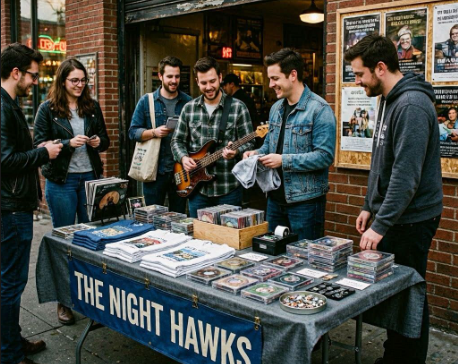
Modern tours increasingly function like temporary luxury retail environments.
Merch booths now receive nearly as much social media attention as the performances themselves. Fans line up hours early for exclusive city-specific items, limited-edition variants, or collectible accessories designed specifically for online hype cycles.
Scarcity drives demand aggressively. Some artists intentionally create “drop culture” around merch similar to sneaker releases or streetwear brands. Limited inventory creates urgency, which increases both emotional value and resale value. That strategy works remarkably well.
Fashion And Pop Music Fully Merged
Pop merchandising also evolved aesthetically.
Older tour merch often looked cheap or generic. Modern artists increasingly collaborate with fashion designers, luxury brands, and streetwear creatives to create products fans genuinely want to wear outside concert settings. That shift turned merch into cultural fashion signaling. Artists like Billie Eilish helped normalize artist merchandise that feels intentionally stylish rather than purely promotional.
For some fans, buying merch now resembles participating in fashion culture as much as music fandom.
Social Media Supercharged Merch Culture
Instagram and TikTok amplified everything.
Fans constantly post:
- Vinyl collections
- Tour outfits
- Merch hauls
- Limited-edition purchases
- Unboxing videos
- Concert-ready styling
That visibility turns merchandise into shareable online content, which further increases demand.
Owning exclusive merch now often functions partly as social proof within fandom spaces.

Lauren, trying to say something snarky:
At this point, some artists are one scented candle away from becoming full-time lifestyle brands.
Honestly? She’s not wrong.
Merchandise Helps Artists Survive Volatile Streaming Economics
Merch also provides stability.
Streaming numbers fluctuate constantly. Viral popularity fades quickly. Touring carries enormous costs and risks. Merchandise creates an additional layer of financial sustainability that artists can control more directly.
For independent artists especially, merch can become absolutely essential. Some smaller acts reportedly earn more from one successful merch drop than they do from months of streaming revenue. That reality completely changed how artists think about branding, visual identity, and audience engagement.