Whisper pop never really disappeared. It just evolved. What started as soft, intimate vocals layered over minimal production has taken on a heavier emotional weight. The sound is quieter, but the tone is darker.
Artists like Billie Eilish helped define the original wave, where hushed vocals felt vulnerable and close. Now that same vocal style is being used to deliver something more unsettling. Less innocence, more edge.
The production has shifted with it. Earlier whisper pop leaned airy and delicate. The current version leans sparse and eerie. Basslines feel heavier. Silence is used more deliberately. There is tension in the space between sounds. Lyrically, the difference is even clearer. Themes are darker, more introspective, sometimes even confrontational. Instead of soft sadness, there is quiet intensity. The kind that does not need to shout to land.
Part of this comes from listener fatigue. Loud, high-energy pop is everywhere. Whisper pop cuts through by doing the opposite. It pulls you in instead of demanding attention.

Lauren Rogers:
If I have to lean in to hear it, it better emotionally ruin me. Otherwise what are we doing?!
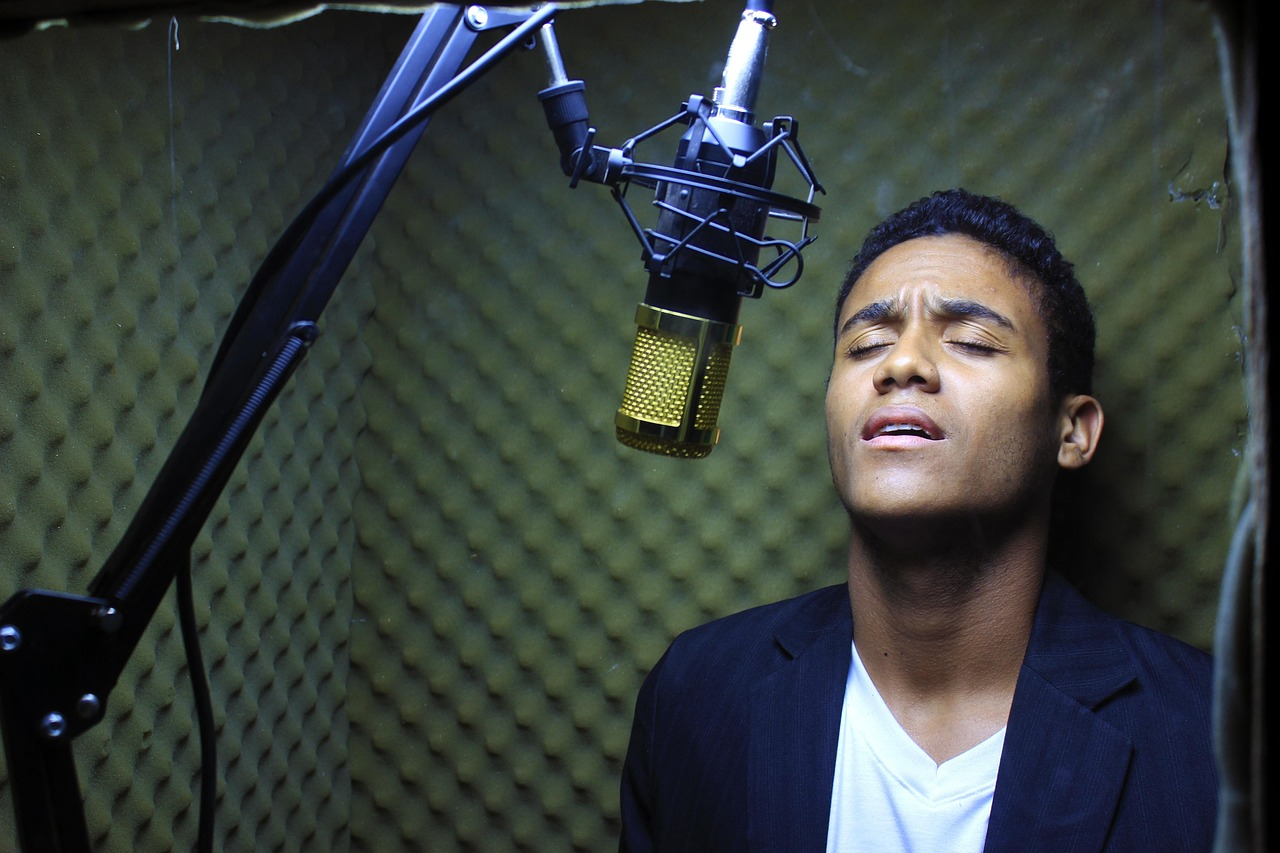
There is also a psychological component. Whispered vocals feel more personal. Almost like the artist is speaking directly to you. When paired with darker themes, that intimacy hits harder. The risk is that it becomes too one-note. When every track is quiet and moody, it can blur together. The artists who stand out are the ones who use contrast. A sudden shift in tone. A moment of clarity in the darkness.
This version of whisper pop is not about fragility. It is about control. The ability to hold back and still command attention.
Quiet has power again. And right now, it sounds a little dangerous.
IMAGE: crommelincklars, CC BY 2.0 https://creativecommons.org/licenses/by/2.0, via Wikimedia Commons