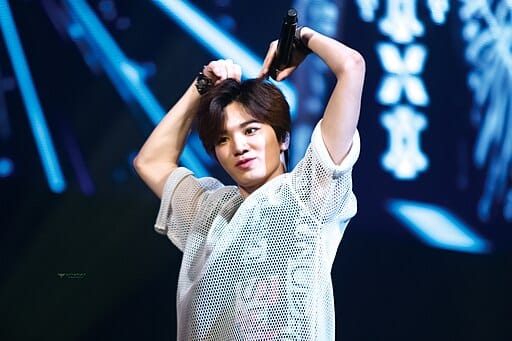
K-pop has always been about powerful groups, but right now something new is happening. Solo artists are stepping into the spotlight and redefining what global pop stardom looks like. Fans aren’t just supporting the group anymore; they’re following individual creative journeys.
Artists branching out from massive acts are finding huge success on their own, and it’s changing how pop audiences connect with music worldwide.
Read: Ejae Steps Into the Spotlight With Her Debut Single “In Another World”
Fans Want Personal Stories
Solo releases give artists space to explore sounds that might not fit within a group’s identity. That freedom resonates with listeners who want authenticity and emotional storytelling.
This mirrors the rise of introspective pop voices like Taylor Swift and Olivia Rodrigo, whose storytelling-first approach has shaped the current generation of artists. Rodrigo’s emotionally charged songwriting has even been described as capturing a Gen-Z perspective through deeply personal narratives.
Global pop fans don’t care where an artist is from anymore. They care whether the song hits.

Look, I love K-pop when it’s fun, inventive, and emotional. I grew up on the genre’s bubblegum precision and clever genre-blending. But this new wave of “dark fantasy” concepts feels less like evolution and more like overcompensation.
Read “Why I Hate That K-Pop Demon Hunters Sound“
Streaming Has Removed Borders
One reason solo artists are thriving is simple: streaming makes discovery instant. Fans don’t need to understand the history of a group to connect with a single release. Curated playlists and fan communities help solo songs travel faster than ever.
The result? Pop music feels more global — and more individual — at the same time.
A New Definition of Pop Stardom
Rather than replacing groups, solo eras expand the universe around them. They give fans multiple entry points and allow artists to experiment without losing their core identity.