Pop music used to be built around eras. Then it became built around singles. Now it is swinging back, but with a twist. Artists are not just releasing songs. They are building narratives.
You can see it clearly with Taylor Swift and her multi-era storytelling approach, or The Weeknd crafting a character arc across albums and visuals. These are not just albums. They are ongoing stories.
The difference from the past is scale and format. Storytelling now stretches across platforms. Music videos, social media posts, live performances, and even interviews all contribute to the narrative. Fans are not just listening. They are piecing together a storyline. This shift is partly driven by attention economics. A single song has a short lifecycle. A story extends engagement. It gives fans something to follow, decode, and discuss.
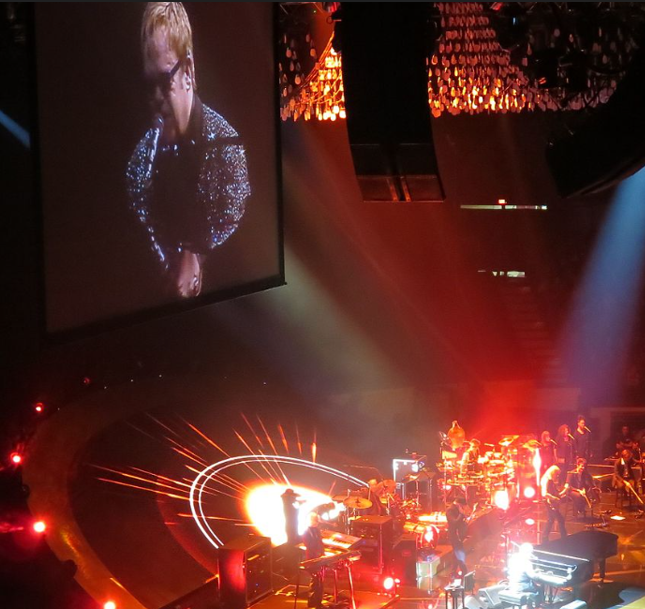
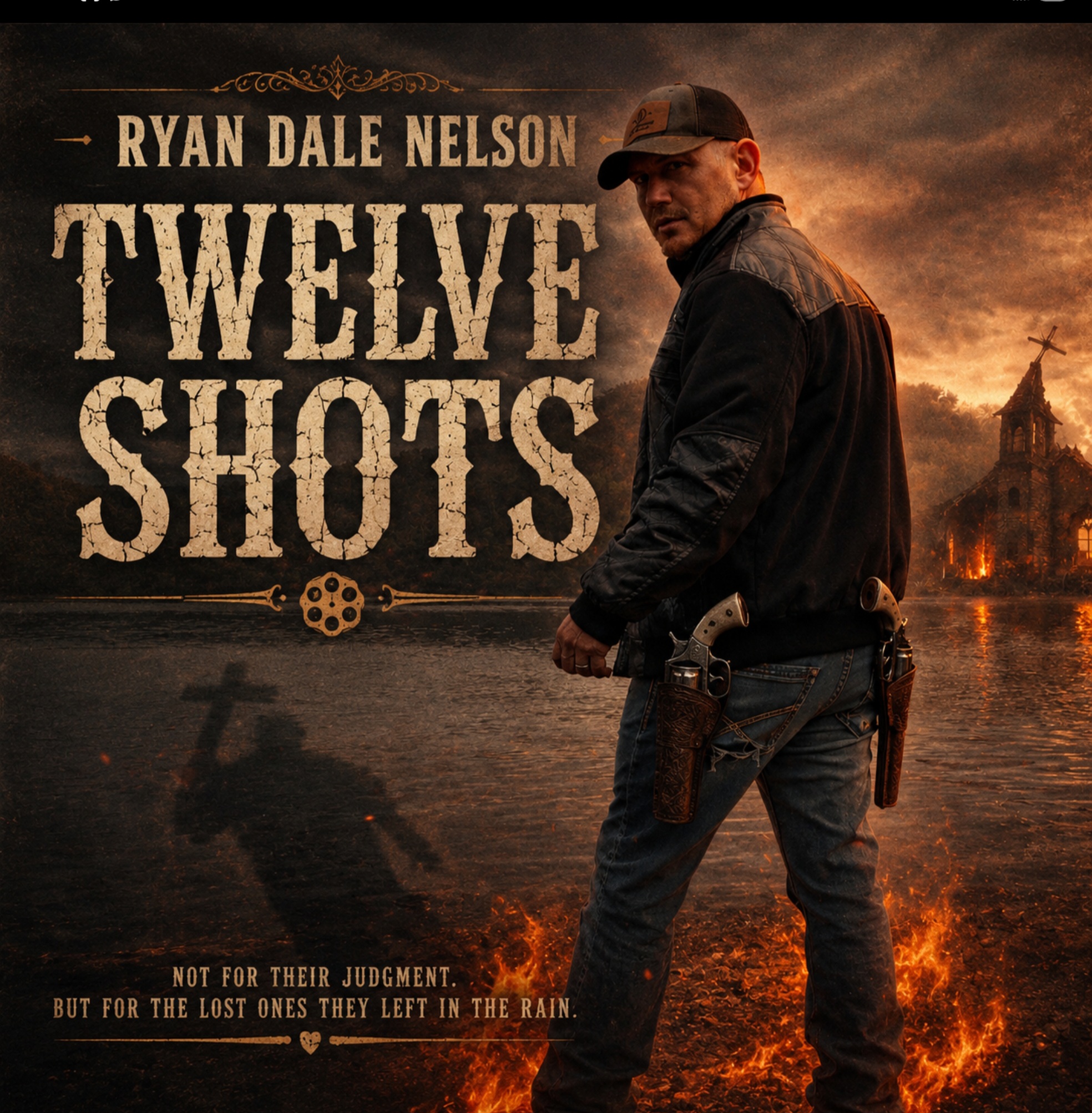
There is also a creative advantage. Storytelling allows artists to experiment without losing cohesion. Different sounds, aesthetics, and themes can coexist if they serve a larger narrative. Visuals play a huge role. Cinematic music videos and elaborate stage designs are core to how the music is experienced for major artists.

Snark from Lauren:
If I need a Reddit thread to fully understand your album, congratulations, I am invested.
What is interesting is how this trend intersects with authenticity. Storytelling does not mean fictional. Many artists are blending personal experiences with constructed narratives. The line between real and performative is intentionally blurry.
Fans seem to prefer that ambiguity. It invites interpretation. It makes the experience interactive.
This is also why concept albums are resurging. They provide a framework for storytelling that goes beyond individual tracks. Even when artists are not releasing full concept albums, they are borrowing elements of that approach.