Pop music has always recycled itself, but the current nostalgia cycle is moving faster and hitting harder. The sounds of the 90s and early 2000s are not just influencing pop. They are dominating it. Artists like Dua Lipa and Tate McRae are pulling heavily from that era. You hear it in the synths, the drum patterns, and the vocal delivery. It feels familiar on purpose.
There is a practical reason for this. Streaming platforms reward immediate engagement. Familiar sounds reduce friction. If a track reminds listeners of something they already love, they are more likely to replay it.
But nostalgia is not just about sound. It is visual too. Y2K fashion, choreography-heavy videos, and glossy pop aesthetics are back in full force. The entire package is being recreated.

From Lauren:
We raided the early 2000s closet and somehow made it cool again. I respect the hustle.

From the PopMusicTrends Insiders:
Look what else is making a comeback: Pop Is Getting Clubby Again
There is also a generational component. Younger listeners are discovering these sounds for the first time, while older audiences experience them as a callback. That creates a rare overlap where multiple age groups connect to the same music.
What is different now is the level of self-awareness. Artists are not pretending these influences are new. They are leaning into the references openly. That transparency actually strengthens the appeal. The risk is oversaturation. When too many songs pull from the same era, they start to blur together. The artists who stand out are the ones who reinterpret rather than replicate.
Nostalgia works best when it is combined with something modern. A familiar sound with a new perspective. This trend is likely to continue, but it will evolve. The next phase will not abandon nostalgia. It will layer it with new influences.
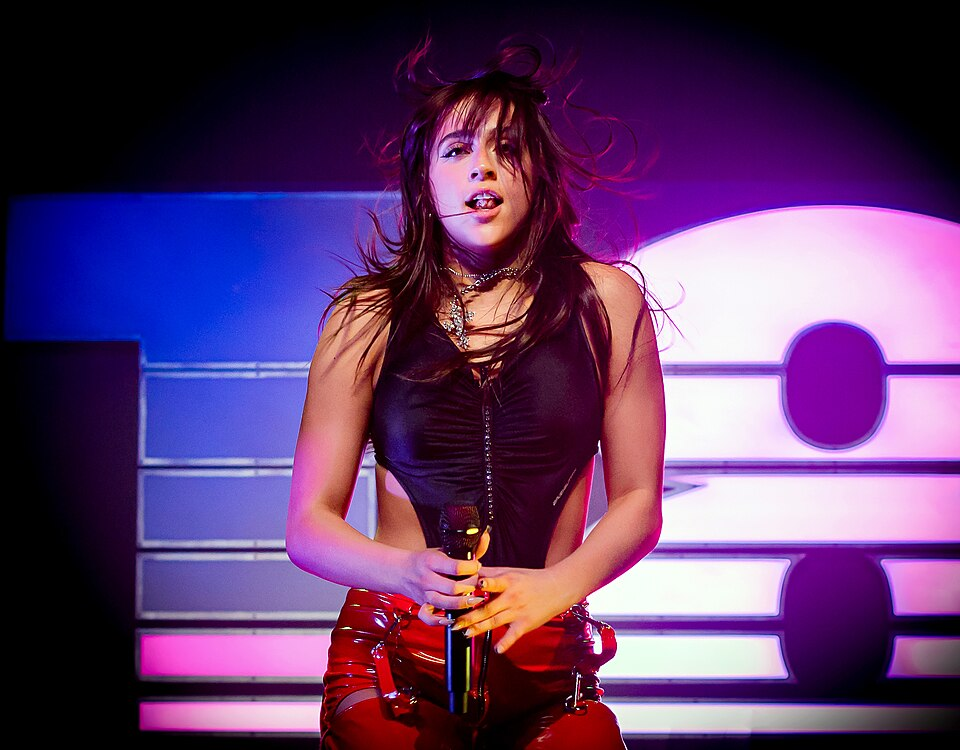
PHOTO: Justin Higuchi, CC BY 2.0 https://creativecommons.org/licenses/by/2.0, via Wikimedia Commons