Pop music marketing used to be relatively simple. A song went to radio. A video premiered. The artist did interviews. Fans bought the album, watched MTV, and taped posters to the wall with the kind of commitment landlords feared.
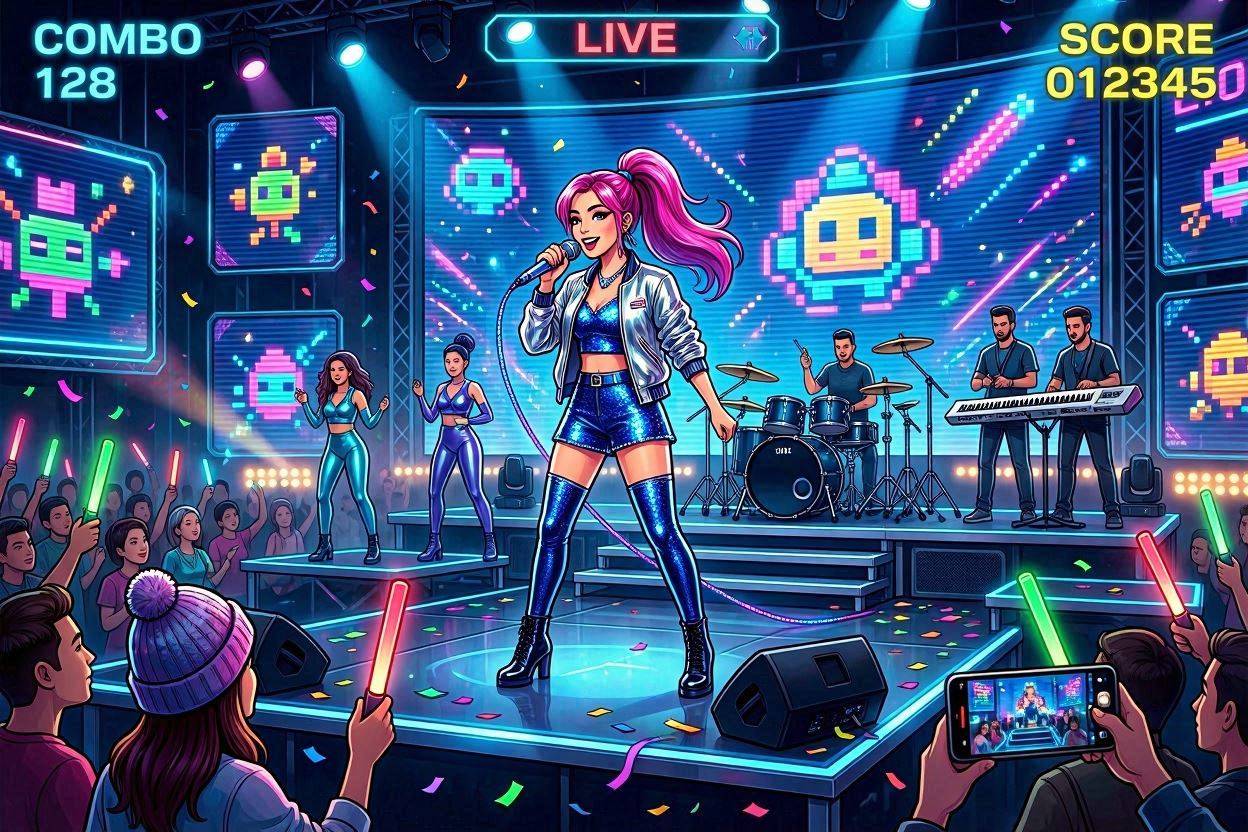
Now, pop marketing looks less like traditional promotion and more like gaming. There are clues to decode, levels to unlock, exclusive items to collect, countdowns to follow, communities to join, missions to complete, and rewards for the most dedicated players.
The pop star is still a performer. But increasingly, the pop campaign is an interactive world.
Fans Are No Longer Just An Audience
In gaming, players do not just watch. They participate. Modern pop fandom works the same way.
Fans stream songs to push chart performance. They organize buying parties. They decode lyrics. They track outfits. They build timelines. They make edits. They join Discord servers, fan communities, livestreams, and listening parties. They turn a release into an event by creating the noise around it.
That participatory energy is incredibly valuable. Vogue described the modern superfan economy as a major cultural and commercial force, with fan communities driving engagement, spending, brand partnerships, and real-time interaction around artists.
For pop marketers, that means the goal is not just awareness. It is activation. A passive listener is nice. A fan who treats the album rollout like a multiplayer campaign is better.
Easter Eggs Are Pop’s Side Quests
No one has weaponized the Easter egg quite like pop music. A nail color, an Instagram caption, a number in a video, a background prop, a release date, a suspicious font choice, or one carefully placed butterfly can send fans into full detective mode.
This is not just cute fan culture. It is strategy. Easter eggs make fans spend more time with the artist’s content. They encourage repeat viewing. They generate theories. They turn casual posts into searchable artifacts.
It is the same logic that makes side quests addictive in games. The main story is the song or album. The side quests are all the clues surrounding it.

Mutterings from Lauren
At this point, some pop rollouts require a degree in semiotics, three burner accounts, and emotional damage from a previous era.
Collectibles Turn Music Into Inventory
Gaming culture understands collectability. Skins, badges, limited-edition items, upgrades, and exclusive drops all encourage players to keep engaging. Pop music has borrowed the same logic.
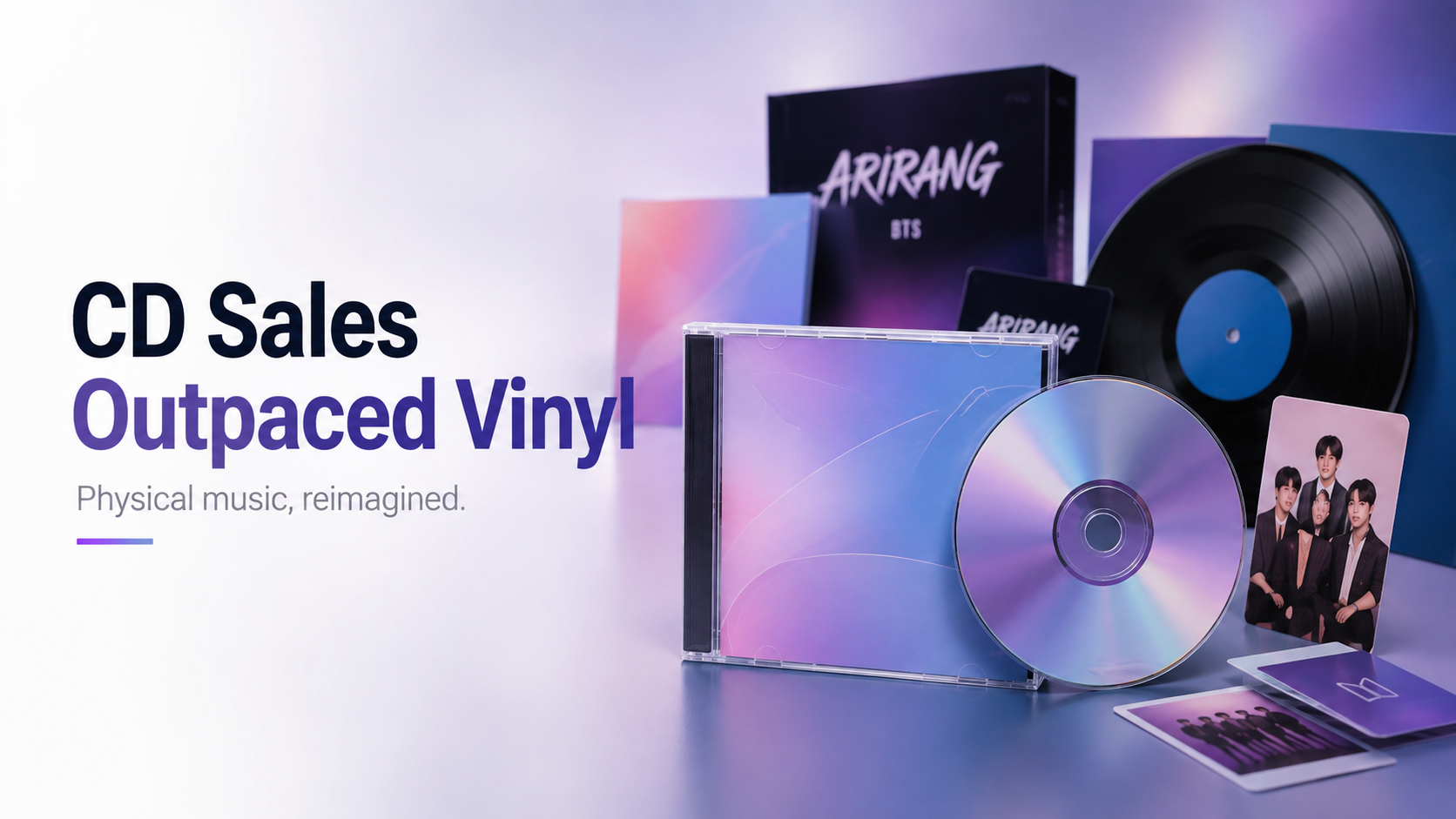
Vinyl variants, signed CDs, limited merch, tour-only items, deluxe editions, alternate covers, fan club exclusives, and surprise drops all turn music into collectible inventory. Fans are not only consuming the art. They are collecting proof of participation.
That is especially important because physical music has not disappeared. IFPI reported that physical formats grew in 2025, with vinyl continuing its long growth streak. In a streaming-first market, collectible formats give fans something tangible and give artists another revenue lane.
Leaderboards Are Everywhere
Charts are basically pop music’s leaderboards. Billboard positions, Spotify streams, YouTube views, TikTok sounds, Shazam spikes, radio adds, presale demand, and box office grosses all function as public scoreboards.
Fans understand this. They know when a song is close to No. 1. They know when a video needs views. They know when an album is fighting for a debut position. They know when a rival fandom is mobilizing.
This turns fandom into a game of collective performance. The artist releases the product, but the fans help push the score higher.
Sometimes this is fun and communal. Other times, it turns music into a spreadsheet with choreography.
Pop Campaigns Now Have Levels
A modern pop rollout often unfolds in stages, almost like levels in a game.
First comes the tease. Then the snippet. Then the pre-save link. Then the single. Then the lyric video. Then the challenge. Then the remix. Then the album announcement. Then the variant reveal. Then the merch drop. Then the tour presale. Then the deluxe edition. Then the live version. Then the documentary. Then the anniversary version.

Each stage gives fans a new action to take. Listen. Share. Buy. Decode. Post. Vote. Stream. Attend. Collect.
That structure keeps the campaign alive longer than a traditional ad push. It also makes fans feel involved, which is the real power of the gaming model. People are more invested when they believe their actions matter.
The Risk? Fan Fatigue
There is a downside. Not every fan wants to play. Some people just want the song. When every release comes with puzzles, variants, countdowns, exclusive windows, and fan labor, the whole thing can become exhausting.
The best pop campaigns make participation feel fun. The worst ones make it feel like homework with a merch cart.
Still, the gaming influence is not going away. Pop music now lives inside platforms that reward interaction, repetition, competition, and community. That is gaming logic. The artists who understand it can turn a release into a world fans want to enter.