Independent artists have more distribution choices than ever, but the cheapest or most familiar platform is not automatically the best fit. In 2026, artists should compare distributors based on cost, royalty structure, support, release tools and long-term flexibility.
Look Beyond the Advertised Price
Distribution models vary widely. Some platforms charge annual subscriptions, others charge per release, while some offer free standard distribution in exchange for a percentage of royalties. Artists who release frequently should calculate the real annual cost rather than focusing on a single headline price.
A useful starting point is to compare the best free music distribution services for independent artists and see how different models handle fees, royalties and included tools.
Royalty Terms Matter Just as Much
A free service is not automatically cheaper in every situation, and a paid service is not automatically better. Artists should check what percentage of eligible royalties they keep, whether recurring fees apply, how often payouts are made and whether extra services carry separate charges.
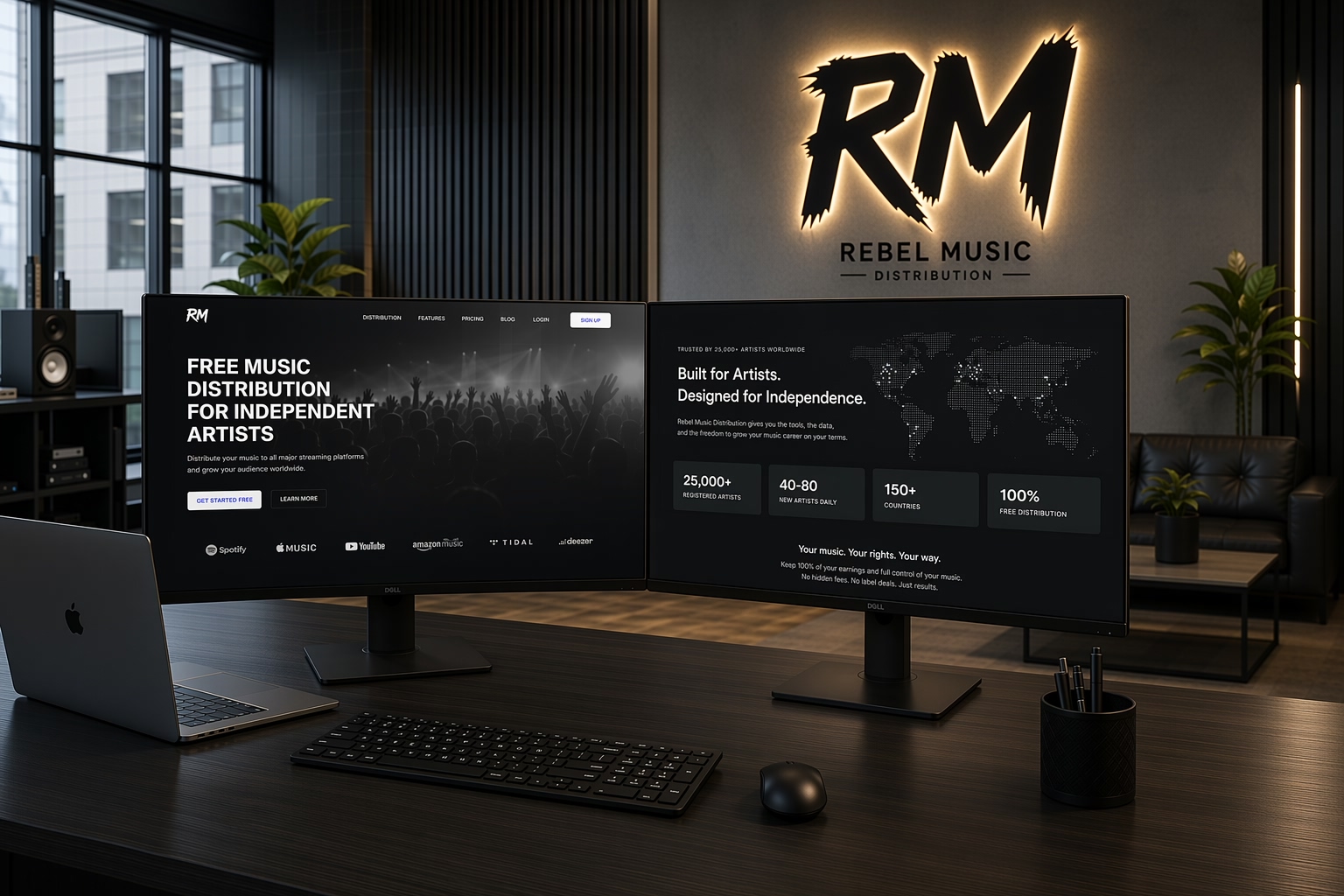
For example, Rebel Music Distribution offers free standard music distribution while artists retain 90% of eligible royalties under its standard model. The remaining 10% goes to Rebel Music. This can suit artists who prefer to avoid a standard annual distribution subscription, but every artist should compare the economics against their own release volume and revenue.
Support Becomes Critical When Problems Appear
Uploading a release is usually the easy part. The real test comes when a song lands on the wrong artist profile, metadata needs correction, a store rejects a release or an artist needs help with an account issue. Responsive human support can save days of frustration, especially for independent artists without a label team.
Compare Platforms Around Your Own Priorities
There is no universal winner for every artist. One musician may prioritize low upfront cost, another may care most about royalty retention, while a small label may need stronger catalog management and analytics. A detailed music distributor comparison for independent artists can make those trade-offs easier to understand before committing a catalog to one platform.
The most important factors to compare include pricing, royalty share, supported stores, payout schedule, release limits, analytics, support quality and optional services such as YouTube Content ID.
Think Beyond the Next Single
A distributor becomes part of an artist’s long-term infrastructure. Switching later is possible, but moving a growing catalog creates extra work and can introduce avoidable complications. Artists planning regular releases should therefore choose a platform that still makes sense after ten, twenty or fifty releases – not just for the next upload.
The best choice is ultimately the distributor that matches the artist’s budget, release frequency, support needs and long-term goals. Taking a few minutes to compare those factors before release day can prevent much larger problems later.