Pop albums used to arrive as albums. That sounds obvious, but in 2026, it almost feels quaint. An artist would release a record, promote a few singles, maybe drop a deluxe edition months later, and then move on to the tour.
Now, the album is rarely one fixed object. It is a platform, a campaign, a collectible, a chart strategy, a fan engagement tool, and occasionally a scavenger hunt with bass drums.
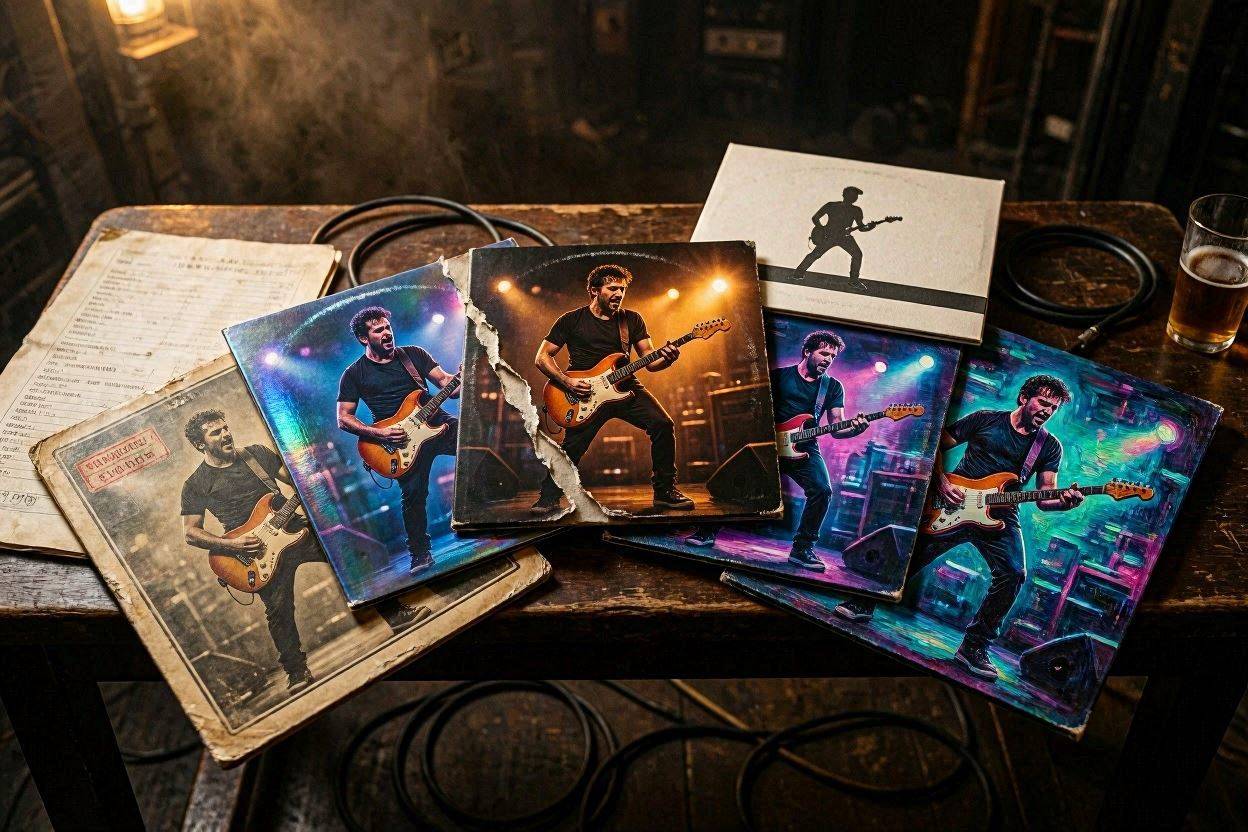
A major pop release might arrive as a standard album, deluxe album, extended deluxe album, acoustic edition, remix edition, voice memo edition, live edition, signed CD, cassette, Target exclusive, webstore exclusive, and six vinyl colors named after emotions the artist may or may not have processed in therapy.
This is not random. It is the new economics of pop.
Albums Are Campaigns, Not Just Releases
Streaming changed the basic value of an album. In the CD era, one purchase usually meant one complete sale. In the streaming era, value accumulates through plays, playlist placement, repeat listening, viral moments, and long-tail engagement. That means artists and labels have strong incentives to keep an album active for as long as possible.
A new version gives fans a reason to return. A remix can revive a song. An acoustic cut can appeal to a different mood. A deluxe edition can push the album back into the conversation. A vinyl variant can convert fandom into a physical sale.
Streaming rewards constant attention. Vinyl rewards collectability. Modern pop releases try to do both.
The Vinyl Variant Is A Pop Economy Of Its Own
Vinyl variants are especially important because they turn an album into an object fans can collect. Different covers, colors, bonus tracks, posters, lyric booklets, and exclusive photos all create a reason to buy more than one copy.
For casual listeners, this can look excessive. For superfans, it can feel like participation. Owning the limited edition is not just about hearing the music. It is about belonging to the moment.
There is also a chart incentive. Physical sales can still matter, especially during release week. A strong fanbase that buys multiple editions can help drive first-week numbers, push an album toward No. 1, and create headlines that reinforce the artist’s dominance.
The criticism is obvious. When one album becomes eight products and a whole bunch of merch, the line between fan service and chart gaming gets blurry. Is the artist giving fans more choices, or encouraging them to buy the same emotional breakdown in multiple colors?

Deep thoughts from Lauren:
I support women in music, but I do not need the same bridge pressed on “limited edition lavender regret” vinyl.
Deluxe Editions Keep The Story Moving
Deluxe albums used to feel like bonus content. Now, they are often baked into the rollout. Some arrive days after the standard album. Others come with new tracks designed to answer fan theories, extend the narrative, or reignite attention once the first wave of reactions slows down.
This matters because pop fandom now runs on conversation. Fans want lore. They want clues. They want to know which lyric refers to which ex, which friend, which feud, which hotel hallway, and which suspiciously timed Instagram unfollow.
A deluxe edition gives the audience more material to decode. It also gives media outlets, TikTok creators, playlist editors, and fan accounts something new to discuss.
Remixes Turn Songs Into Multiple Markets
Remixes do more than pad a tracklist. They can move a song into new spaces. A dance remix can reach clubs. A sped-up version can fit short-form video. A bilingual remix can open a global lane. A guest feature can merge fanbases.
That is why modern pop songs often mutate after release. The original track is only the starting point. The remix ecosystem gives the song more chances to catch, spread, and re-chart.
Sometimes this works beautifully. Other times, it feels like a label is trying to squeeze one chorus until it files a workplace complaint.
The Album Is Now An Era With Inventory
The real shift is that albums are no longer just bodies of work. They are eras with inventory. Every version gives fans a new entry point and gives the artist another chance to sell, stream, trend, or chart.
That does not automatically make the music less meaningful. Some alternate versions are genuinely interesting. A stripped-down track can reveal the songwriting. A live version can capture a vocal moment. A remix can transform a song into something new.
But the pattern is clear. In today’s pop economy, releasing an album once is almost underachieving. The modern album has to live, expand, mutate, and merchandise itself. The music may still be the center. But now, the center comes in five colors, three bonus tracks, and one webstore exclusive that sells out while you are still looking for your wallet.