Pop stars used to exist at a distance. Fans encountered them through radio, music videos, late-night interviews, and carefully staged photo shoots. That distance helped preserve mystique. Today, that separation has largely disappeared. Modern pop stars live in the same feeds as their audiences, posting casually, sharing personal moments, and reacting in real time. In the process, the line between pop star and influencer has all but dissolved.
This shift hasn’t replaced pop stardom. It has reshaped what pop stardom looks like.
Pop Stars Now Build Careers in Public
Many of today’s most recognizable pop artists are as known for their online presence as their music. Billie Eilish built early momentum not just through her sound, but through the intimacy of how she shared herself—unpolished photos, quiet humor, and candid emotional openness that felt native to social media.
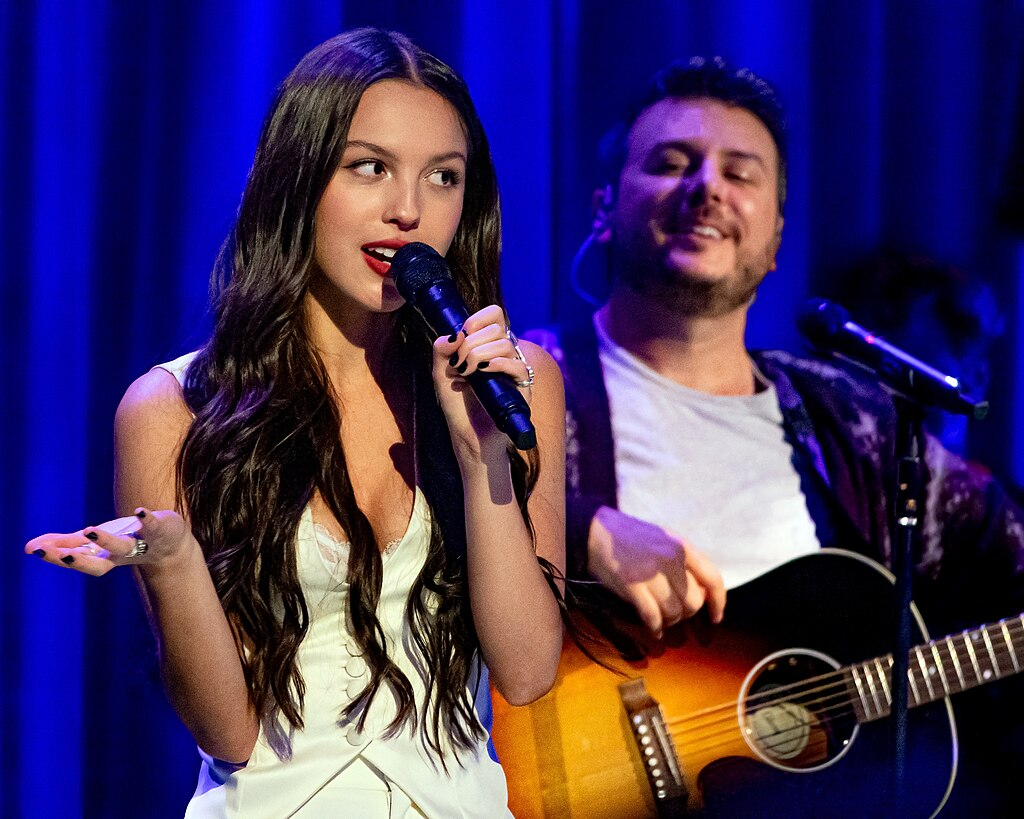
Olivia Rodrigo’s rise followed a similar pattern, with fans connecting to her personality and vulnerability online as much as to her songs.
These artists didn’t simply promote music on social platforms. They used those platforms as extensions of their identity. Songs were no longer isolated releases; they became part of an ongoing narrative that unfolded through posts, videos, comments, and fan interaction.
As a result, discovery now happens through familiarity. Fans feel like they know artists before they ever buy a ticket or stream a full album. That sense of proximity is powerful, and it mirrors the relationship influencers have long cultivated with their audiences.
Influence Has Become Part of the Job Description
The modern pop star is expected to understand how attention works. Artists like Dua Lipa, Doja Cat, and Troye Sivan move fluidly between music, fashion, humor, and online culture, often shaping trends as much as responding to them. Their influence extends beyond charts into style, language, and internet moments that circulate independently of any single release.
This doesn’t mean these artists are less serious about music. It means that music now exists inside a broader ecosystem of visibility. Being absent from that ecosystem can make even great songs feel invisible.
At the same time, this constant presence demands labor. Maintaining relevance requires regular engagement, creative output beyond music, and an awareness of how audiences interpret every post. What once happened during album cycles now happens continuously.
Authenticity in an Always-On World
The influencer model prizes authenticity, but for pop stars, authenticity is complicated. Sharing feels expected, yet oversharing can erode boundaries. Artists like Charli XCX and Taylor Swift have openly acknowledged the tension between connecting with fans and protecting their own creative space.
Taylor Swift’s career is a clear example of how pop stardom and influence intersect. Her music drives culture, but so does her ability to shape narratives through online presence, Easter eggs, fan engagement, and personal storytelling. She isn’t an influencer in the traditional sense, but her influence operates on the same principles: attention, intimacy, and narrative control.
The challenge is sustainability. Constant visibility can turn self-expression into performance. When everything becomes content, it’s harder for artists to disappear long enough to evolve.
A New Definition of Pop Stardom
The modern pop star is no longer just a performer or recording artist. They are a communicator, curator, and cultural participant. Influence is no longer separate from music; it amplifies it.
Pop stars haven’t become influencers by accident. They’ve adapted to a world where connection happens in real time and relevance is shaped by presence as much as by sound. The artists who succeed are those who learn to balance intimacy with intention, using influence to deepen their music rather than replace it.
Pop hasn’t lost its magic. It’s simply moved closer—into our pockets, our feeds, and our daily lives.
IMAGE: Justin Higuchi, CC BY 2.0 https://creativecommons.org/licenses/by/2.0, via Wikimedia Commons