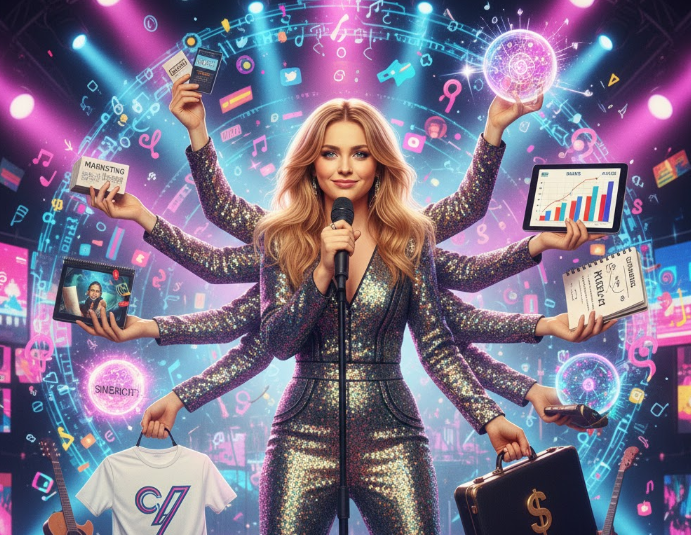
The modern pop artist is no longer defined solely by music releases. In today’s landscape, many musicians operate more like entrepreneurs, balancing creative output with business strategy. Streaming platforms offer global exposure, but financial stability often depends on a combination of revenue streams that extend far beyond recorded music.
This evolution has reshaped how artists approach career development. Instead of relying on album cycles or traditional label promotion, many build ecosystems that include merchandise, brand partnerships, subscription communities, and live experiences. The result is a new model of artistry that mirrors startup culture, where adaptability and diversification are essential for survival.
Why Streaming Alone Is Not Enough
Although streaming has expanded access to audiences, its financial structure makes it difficult for many artists to rely on royalties alone. Even musicians with strong listener numbers often need additional income sources to sustain long-term careers.
This reality has pushed artists to think strategically about audience engagement. Some release limited merchandise drops tied to new singles. Others create exclusive content for fans through membership platforms or direct communication channels. The goal is to transform casual listeners into dedicated supporters who invest in an artist’s broader creative vision.

Lauren’s Studio Journal Scribbling
Somewhere along the way, we started asking artists to be founders, marketers, and data analysts all at once. I respect the hustle, but I also wonder what gets lost when the business plan becomes louder than the music itself.
The Power of Direct Fan Relationships
One of the most significant shifts in the industry is the rise of direct-to-fan engagement. Social platforms allow artists to communicate with listeners in real time, creating a sense of intimacy that traditional media could not replicate. Fans often feel like participants in the creative process rather than passive consumers.
This connection can translate into stronger financial support. Limited edition releases, fan clubs, and interactive livestreams offer new ways for artists to monetize their work while strengthening loyalty. At the same time, maintaining constant engagement can be exhausting, blurring the line between artistic expression and continuous content creation.
Data-Driven Decision Making
Just as startups rely on analytics to guide growth, many pop artists now use streaming data to inform creative choices. Metrics such as listener demographics, skip rates, and geographic trends influence decisions about touring locations, marketing campaigns, and even songwriting approaches.
Supporters argue that data provides valuable insights into audience preferences. Critics, however, warn that overreliance on analytics may lead to formulaic music designed to maximize algorithmic engagement rather than artistic risk.
The challenge lies in finding balance. Artists who use data as a tool rather than a blueprint often retain a stronger sense of identity while still benefiting from audience insights.
Creative Freedom or Creative Pressure
Diversification offers opportunities for independence, but it also introduces new pressures. Artists must juggle multiple responsibilities that extend far beyond the studio. Some thrive in this environment, embracing the chance to shape their own narratives. Others feel overwhelmed by the expectation to maintain constant visibility.
Industry observers note that the most successful artists often build small teams that handle logistics, allowing them to focus on creative work. This collaborative approach mirrors startup culture, where founders rely on specialists to scale effectively.
As technology continues to evolve, the boundaries between music, media, and commerce will likely blur further. Virtual experiences, digital merchandise, and fan-driven communities may become standard elements of an artist’s toolkit.
The rise of the diversified pop artist reflects a broader cultural shift. Audiences no longer engage with music solely as a product. Instead, they connect with artists as brands, storytellers, and collaborators.
Whether this transformation ultimately empowers creators or adds new layers of complexity remains to be seen. What is clear is that the definition of success in pop music has changed. It is no longer just about chart positions or streaming numbers. It is about building a sustainable creative ecosystem that evolves alongside the audience.
For listeners, this means experiencing music in new ways. For artists, it means navigating a landscape where creativity and entrepreneurship exist side by side, shaping the future of pop culture one project at a time.