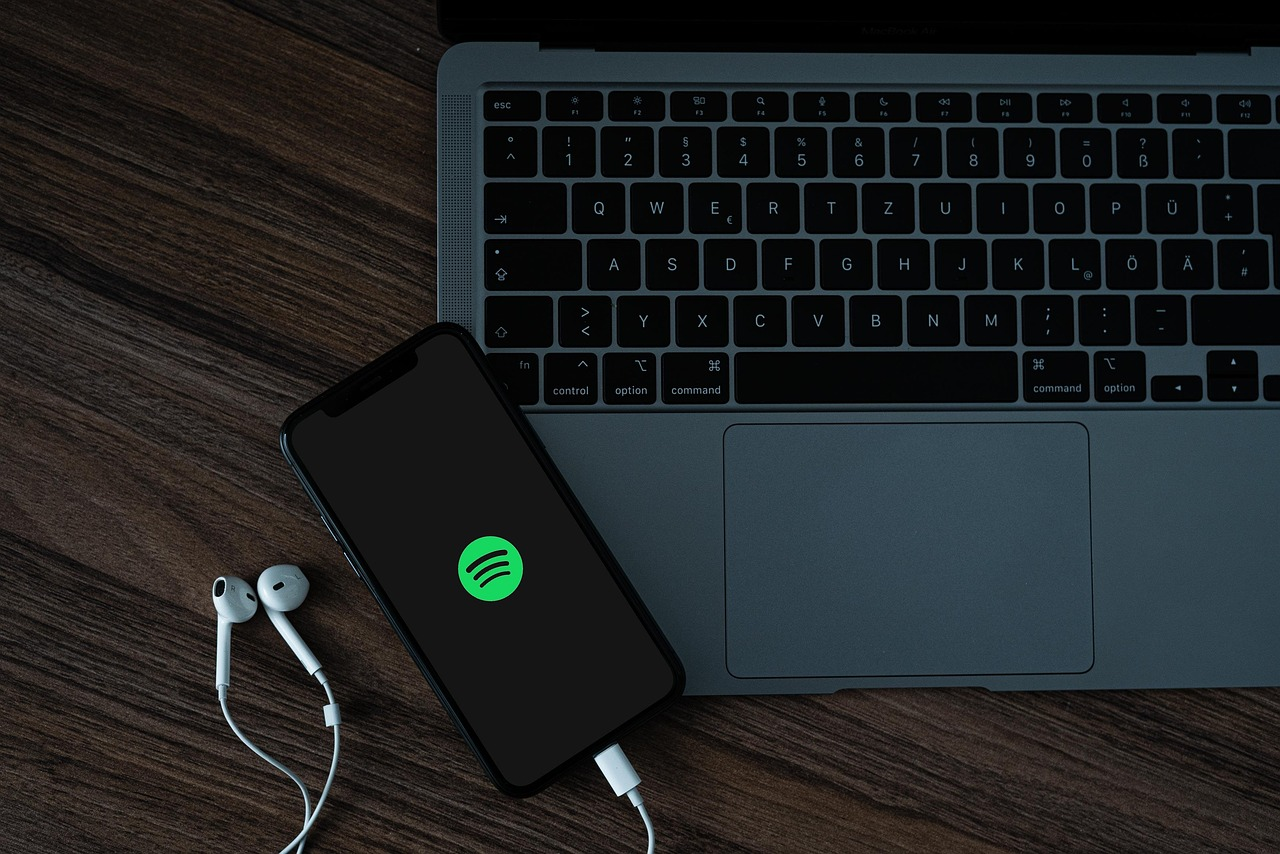
Pop music has always balanced intuition and strategy, but today’s industry relies on data more than ever before. Streaming platforms collect vast amounts of listener information, tracking how often songs are played, skipped, saved, and shared. This data offers artists and labels a clearer picture of audience behavior, shaping how songs are released and promoted.
The idea of a “hit song” is no longer based solely on chart performance or radio spins. Instead, success can be measured through engagement patterns that reveal how listeners interact with music in real time. For some creators, these insights provide valuable guidance. For others, they raise concerns about creativity becoming overly influenced by analytics.
The Rise of SongDNA
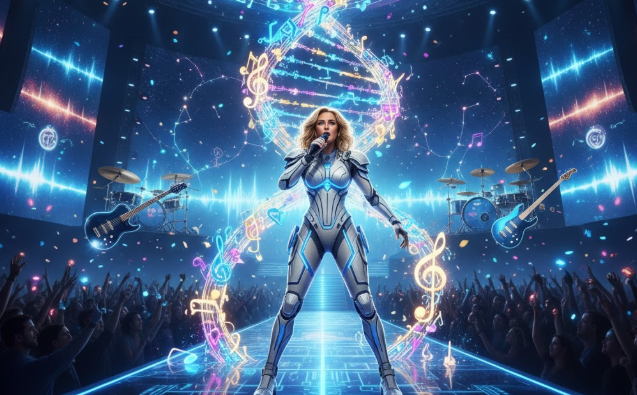
Industry analysts often describe modern music analytics as a form of SongDNA. By examining patterns such as tempo, lyrical themes, and production style, platforms can identify similarities between tracks and recommend them to listeners who show related preferences.
This approach has transformed discovery. Emerging artists can reach audiences who might never have encountered their work through traditional channels. At the same time, the emphasis on data has introduced new expectations around consistency and performance.
Labels increasingly monitor early streaming behavior to determine which songs receive additional promotion. A track that performs well within its first days of release may be pushed into larger playlists, accelerating its growth.

Note from Lauren (so pay attention!)
Data can tell you which songs people replay at midnight. It cannot tell you why someone falls in love with a melody they hear once and never forget. Numbers are useful, but they are not the heartbeat of a song.
Predictability Versus Creativity
One of the most debated aspects of music analytics is whether it encourages formulaic production. Some critics argue that artists may feel pressured to follow patterns that historically perform well, leading to songs that sound similar across genres.
Producers often respond that analytics simply reflect listener behavior rather than dictating creative choices. In this view, data acts as a mirror rather than a rulebook. Artists who use analytics thoughtfully can gain insight without sacrificing originality.
The tension between predictability and innovation has always existed in pop music. What has changed is the speed at which feedback arrives. Instead of waiting months for chart results, artists can analyze audience reactions almost instantly.
The Listener Experience
For fans, the impact of data-driven music may be subtle. Personalized playlists introduce songs that align with individual tastes, creating a sense of discovery tailored to each listener. This customization can deepen engagement, but it also raises questions about whether algorithms limit exposure to unexpected sounds.
Some listeners worry that recommendations reinforce familiar patterns rather than encouraging exploration. Others appreciate the convenience of having music curated to match their preferences.
Platforms continue to experiment with ways to balance personalization with surprise, ensuring that audiences encounter new artists alongside familiar favorites.
Artists Navigating the Analytics Era
Many musicians embrace analytics as part of their creative toolkit. Data can reveal which songs resonate most strongly with fans in different regions, informing decisions about touring locations and promotional strategies.
At the same time, artists often emphasize the importance of instinct. Some of the most influential pop songs began as unconventional ideas that defied expectations. Analytics may highlight trends, but breakthroughs often come from experimentation.
Independent artists in particular benefit from accessible data tools that were once available only to major labels. This democratization allows creators to make informed decisions without relying entirely on external teams.
A Future Shaped by Balance
The growing role of data in pop music reflects a broader cultural shift toward measurable outcomes. Metrics provide clarity in an industry that once relied heavily on guesswork. Yet the emotional power of music remains difficult to quantify.
As technology continues to evolve, the relationship between analytics and artistry will likely become more collaborative. Artists who understand how to interpret data without losing their creative voice may find new opportunities for growth.
For listeners, the science behind hit songs may remain largely invisible. What matters most is the feeling a song creates, whether it comes from a carefully analyzed formula or a spontaneous burst of inspiration.
Pop music has always thrived on the interplay between structure and imagination. In the age of SongDNA and streaming analytics, that balance becomes even more important. Data may guide the journey, but the destination still depends on the human desire to connect through sound.