For years, critics have declared the album dead. Streaming, playlists, and viral singles have shifted attention away from cohesive bodies of work. And yet, albums haven’t disappeared. They’ve changed.
Why Albums Lost Their Dominance
The album once served as the primary unit of musical expression and consumption. That dominance has eroded.
Most listeners now discover music through curated or algorithmic playlists. Songs are consumed individually, stripped of their original context. Releasing frequent singles keeps artists visible in fast-moving digital ecosystems. Albums, by contrast, require patience and sustained attention.
Despite these challenges, albums continue to play a critical role, especially for established artists.
Albums Build Identity, Not Just Streams
Singles can generate hits, but albums shape narratives. They define eras, aesthetics, and artistic evolution in ways that standalone tracks rarely can. While casual listeners may engage through playlists, core fans often crave deeper immersion. Albums provide that emotional continuity.

OK. Time out. Lauren here: I have to be honest. I rarely listen to albums anymore no matter who the artist is. There’s too much great music out there, and I love variety. You?
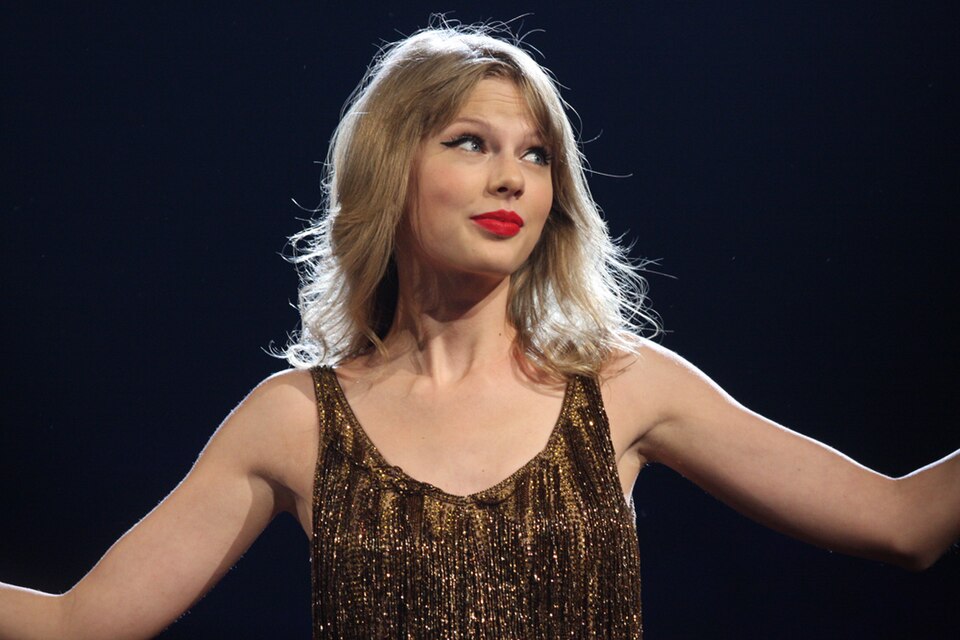
<– that’s me. cool pic, huh?
The Reinvention of the Album Format
Rather than disappearing, albums are adapting to modern listening habits. Many contemporary albums are leaner, tighter, and more focused. Instead of filler tracks, they prioritize thematic consistency.
Albums now extend beyond audio. Visual albums, social media storytelling, and live performance aesthetics all contribute to a unified experience.
Two Audiences, Two Strategies
Artists increasingly create for two different listener types:
- Singles for Discovery: Individual tracks attract new listeners and satisfy algorithmic demands.
- Albums for Legacy: Albums serve as cultural statements, anchoring an artist’s long-term identity.
Albums are no longer mandatory for success, but they’re still powerful when used intentionally. In the modern pop landscape, albums aren’t about volume. They’re about meaning.