For the first time in more than three decades, rap music has disappeared from the top 40 of the Billboard Hot 100. Billboard is reporting that this marks the first week since 1990 without a single rap track in that tier of the chart. The streak, which began when rap first broke into mainstream success in the early 1990s, has finally come to an end. For an entire generation, hip-hop and rap were dominant forces on the charts, shaping the sound of popular music and influencing nearly every other genre.
Rap’s absence from the upper ranks is surprising, especially given its cultural and commercial impact in recent years. For much of the past decade, rap songs have been consistent fixtures in the top 40, often accounting for a large share of the biggest hits each week. Now, however, none of those tracks appear in the upper section of the Hot 100, raising questions about how listening habits and chart dynamics have evolved.
A Change in Methodology
Part of the reason lies in Billboard’s chart methodology. Recent adjustments to how songs are moved to “recurrent” status once they drop below certain thresholds have reshaped what stays on the chart. A major rap track that had remained in the top 40 for weeks was finally cycled out under the new rules, leaving no rap representation in the highest positions.
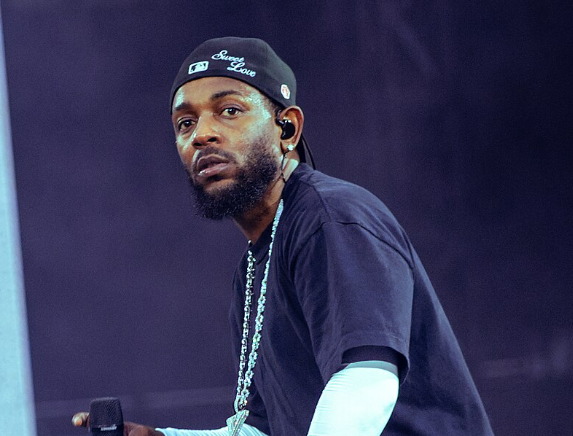
This meant that Kendrick Lamar’s song “Luther,” featuring SZA, had been removed from their chart tracker.
But the change is also part of a broader shift in audience behavior. Streaming consumption patterns have diversified, with listeners spreading attention across multiple genres rather than focusing on a few blockbuster rap singles.
Pop and Country on the Rise
Pop and country artists have recently seen surges in streaming volume, while rap’s share of overall streams has flattened compared to its explosive growth earlier in the decade. Meanwhile, cross-genre collaborations and hybrid sounds are blurring traditional labels, making it harder for any one genre to dominate the charts as clearly as before.
Dozens of rap and hip-hop tracks still rank elsewhere on charts, reflecting the genre’s ongoing influence. What this moment signals is not decline, but transition. Rap’s commercial dominance may be adjusting to new realities: different release strategies, shorter attention cycles, and the growing influence of algorithm-driven playlists.
Image: Raph_PH, CC BY 4.0, via Wikimedia Commons