For decades, record labels have stood as both the dream and the danger of the music industry…a path to fame and success that often came with hidden costs. But in 2025, that balance of power is shifting fast. Artists are no longer waiting for a label’s approval. They’re building their own empires, owning their masters, and rethinking what it means to “make it” in music.
The classic record deal offered an irresistible promise: We’ll fund your career.
Labels paid for recording, marketing, touring support, and distribution—costs most artists couldn’t cover alone. In return, they took ownership of the master recordings and a hefty slice of the profits.
But the catch was always in the fine print. Advances, which looked like big paydays, were actually loans. The artist wouldn’t see another dollar until the label recouped every penny from album sales, streaming, and sometimes even merch or touring income. Many artists signed deals that looked like lifelines, only to discover they were more like handcuffs.
Masters and Ownership: The Real Power Play
Owning your masters—your original recordings—is everything. The master is what generates royalties from every stream, sync placement, and reissue. Traditionally, labels owned them outright, controlling how and when your music was used.
That’s why artists like Taylor Swift made headlines for re-recording her catalog. The move wasn’t just symbolic; it was about reclaiming her financial and creative control. Artists today are watching and learning: ownership isn’t just about pride; it’s about power, longevity, and freedom.
Modern Contract Structures
In response to the streaming era, many labels have turned to “360 deals.” These contracts give labels a percentage of everything including live performances, merchandise, sponsorships, micro-deals, and more, since recorded music alone isn’t as lucrative as it once was. While some artists accept these terms for the exposure, others see them as overreach.
An alternative that’s gaining traction is the distribution-only model, where an artist keeps ownership of their masters and brand but pays a label or distributor a flat fee or a small percentage to handle distribution. This approach lets artists stay independent while still getting access to global streaming platforms and marketing muscle.
Independent artists have become the industry’s quiet revolutionaries. Platforms like DistroKid, CD Baby, and UnitedMasters let musicians release their work worldwide for a fraction of what a label used to charge. Social media and direct-to-fan tools—Patreon, Bandcamp, and even TikTok—give artists the ability to build an audience and monetize without middlemen.
It’s not easy. Independence means wearing multiple hats—artist, marketer, manager, and accountant. But for many, it’s worth the tradeoff for creative control and long-term equity. You own your masters, you control your image, and your career trajectory depends more on your audience than a boardroom.
Where the Industry Is Heading
The new generation of musicians isn’t anti-label so much as that they’re anti-exploitation.
Many see the ideal future as a partnership model, not a power imbalance. Labels can still offer value in funding, global marketing, and infrastructure—but artists are demanding better terms, transparent contracts, and ownership stakes.
Some artists are forming their own “micro-labels,” pooling resources with peers to fund releases collectively. Others are using AI-driven analytics to understand where their audience is strongest before negotiating any deal. Data has become leverage, and that leverage is shifting toward the creators.
Not Just Exclusivity
Record label power used to come from exclusivity. Not anymore. Now, artists have access to the same tools once reserved for industry giants. The balance isn’t perfect yet, but it’s evolving toward something more democratic.
If you’re an artist navigating this landscape, the best thing you can do is know your worth and your masters. Whether you’re indie, signed, or somewhere in between, remember that ownership is the new freedom. The future of music belongs to the creators who understand the business as deeply as they understand their sound.
And… maybe those using AI for music as well.
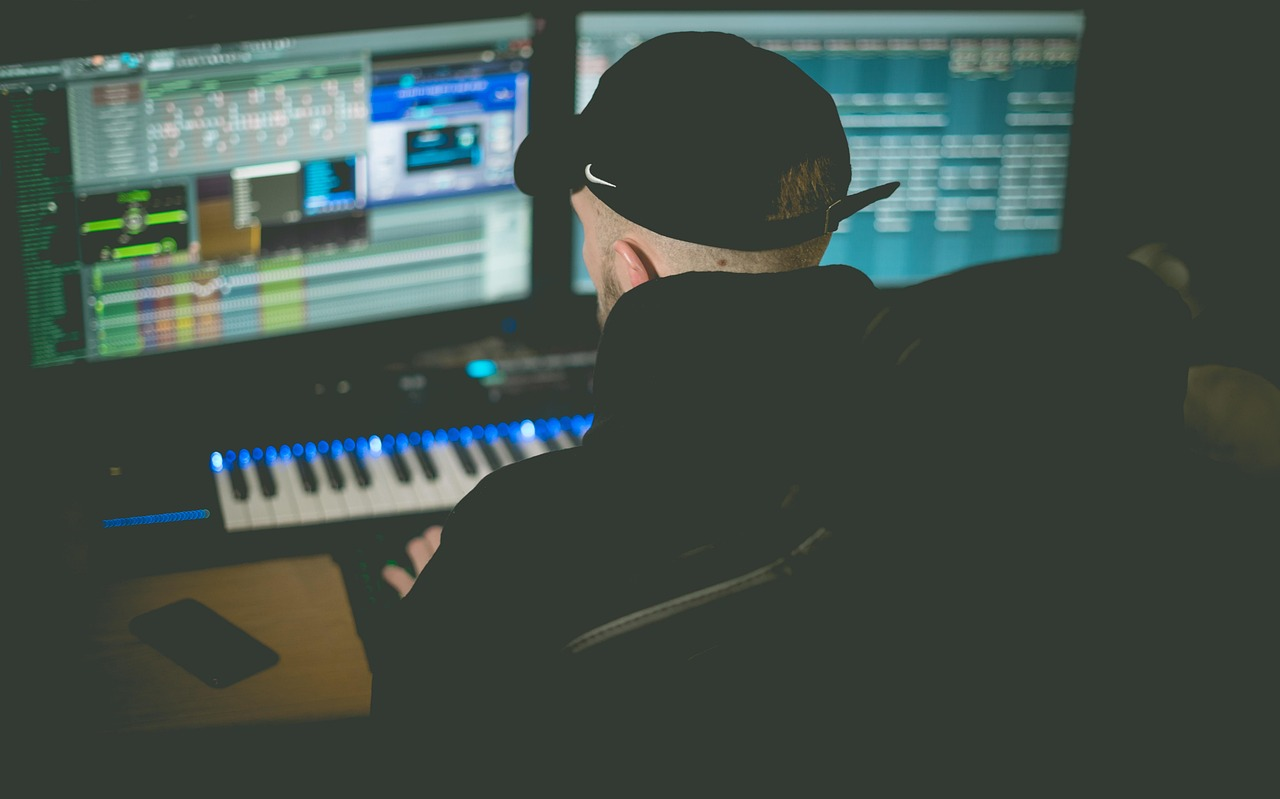
Image by Daniel Peters from Pixabay