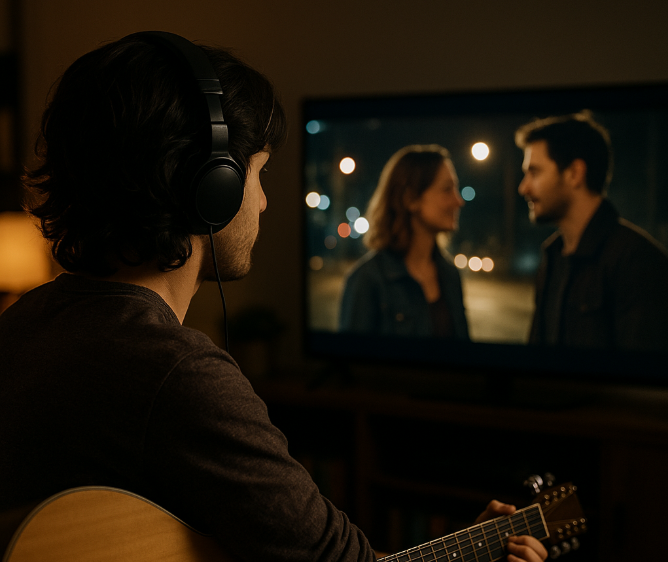
For independent musicians, one of the most overlooked but potentially lucrative revenue streams is sync licensing. It’s the process of “synchronizing” music to visual media like films, TV shows, commercials, video games, and even social media ads. When your song appears in a Netflix series, a TV show, or a YouTube ad, that’s sync licensing in action.
What Sync Licensing Really Is
At its core, sync licensing is about giving someone permission to pair your music with moving images. Every time that happens, a license is issued … and you get paid for it. A sync deal typically involves two sides:
- The master recording (the actual recorded performance).
- The composition (the underlying song or publishing rights).
If you’re both the songwriter and the performer, you own both sides — which makes the process much simpler. But if you’re signed to a label or publisher, they’ll usually handle licensing negotiations and take a share of the earnings.
How It Works
Here’s how the sync process typically unfolds:
- Music Supervisors Search for Songs: These professionals work for studios, production companies, or ad agencies. Their job is to find the perfect song to match a scene, mood, or brand message.
- Licensing Negotiations Begin: Once they find a fit, they reach out to the rights holders to negotiate a license fee. Rates can vary wildly depending on usage, audience size, and duration from a few hundred dollars for an indie short film to six figures for a national TV ad.
- Payment and Royalties: The artist or rights holder receives upfront payment for the license, and sometimes additional royalties if the song airs on television or streaming platforms multiple times.
For indie artists, sync placements can also generate exposure that money can’t buy. A few seconds of your song in a hit Netflix show or Apple ad can drive listeners to streaming platforms overnight.

Popnomics Podcast:
Music Sync Licensing Tips
Are There Opportunities for Indie Musicians?
Absolutely, but they require strategy and persistence. While the competition is intense, the demand for affordable, original music has never been higher. Streaming platforms, YouTube creators, indie filmmakers, podcasts, and brand campaigns all need music that’s pre-cleared and ready to license quickly. Indie artists often have an edge because they can deliver that flexibility without the red tape of major labels.
Today, there are also platforms and sync agencies that specialize in connecting independent musicians with licensing opportunities, services like Musicbed, Songtradr, and Artlist. They handle submissions, negotiations, and payments, allowing artists to focus on creating while still participating in the sync economy.