Streaming continues to dominate the music industry, making up nearly 90% of global revenue. But for artists, those pennies per stream add up slowly. On Spotify, one million plays might translate to roughly $3,000 to $5,000, and that’s before label cuts, management fees, and taxes. The result? Even mid-tier pop acts with devoted fanbases often rely on multiple income streams to stay afloat.
The shift toward “attention economics” means playlist placement, social virality, and algorithmic boosts can define an artist’s income more than traditional sales ever did. Today, sauccess on TikTok or YouTube Shorts can directly lead to spikes in streaming—and even touring revenue.
Touring: The Big Payoff (and Big Risk)
For many pop artists, touring remains the most lucrative but also the most expensive part of their business. Top performers can gross millions per show, but production costs (lighting rigs, dancers, travel, enue fees, etc.) eat up a chunk of change.
Smaller pop acts increasingly turn to scaled-down “micro-tours” and festival circuits. These offer exposure and merch opportunities without the massive upfront investment of a global tour. VIP fan experiences and meet-and-greets also bring high-margin revenue and build stronger audience loyalty.
Merch, Syncs, and Brand Collaborations
Merchandise is no longer just T-shirts: it’s lifestyle branding. Artists are launching limited-edition drops, streetwear collabs, and even fragrance lines. The goal: turn fandom into a long-term consumer relationship.
Sync licensing (music used in film, TV, and advertising) has become a key income driver. A single placement in a Netflix show or global ad campaign can pay more than a year’s worth of streaming royalties. In parallel, pop artists are increasingly entering brand partnerships that double as creative collaborations—think Billie Eilish’s eco-friendly Nike line or Olivia Rodrigo’s skincare tie-ins.

Popnomics Podcast:
Artists Today Need to Act as Diversified Startups
Direct-to-Fan Revenue Is Rising
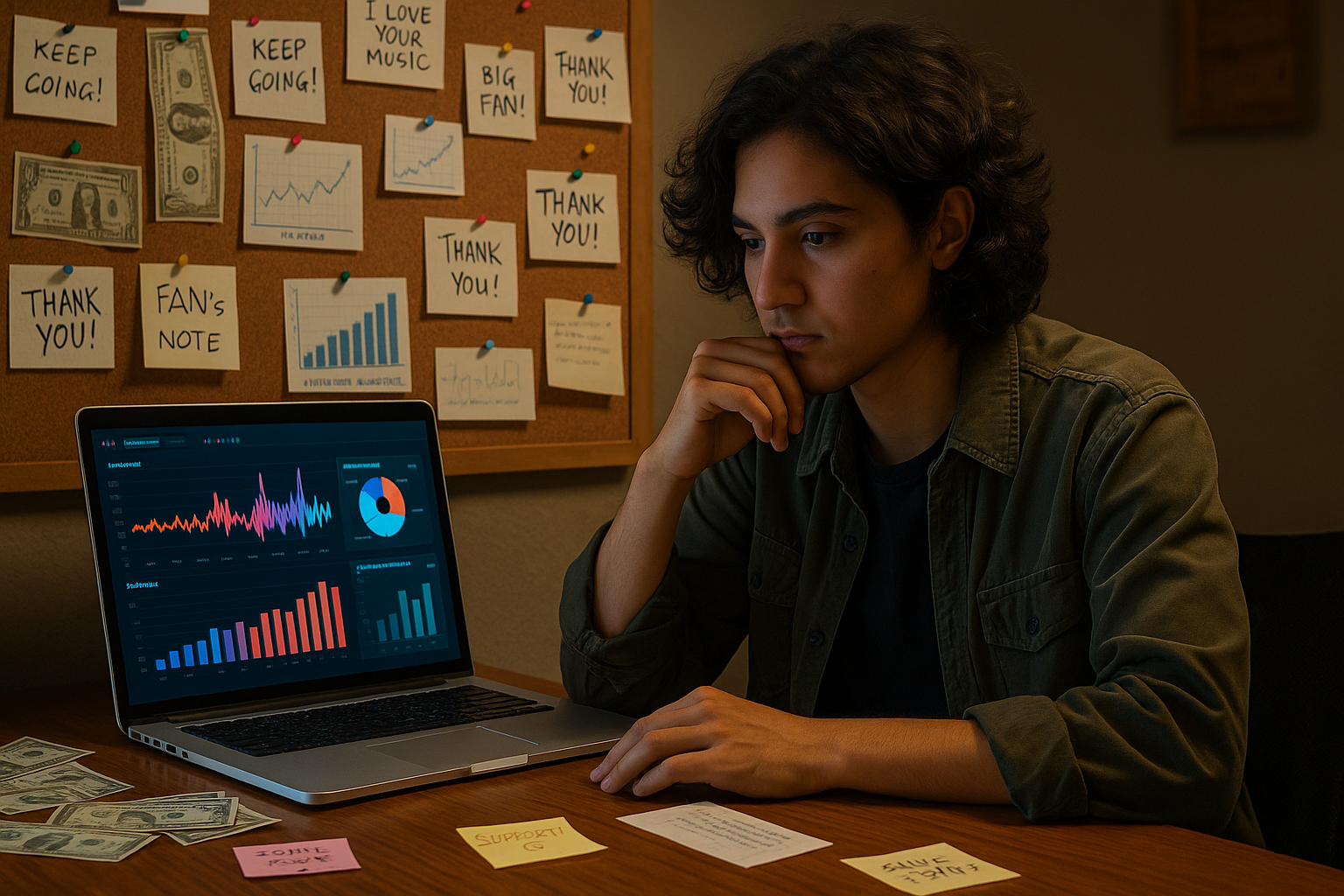
Platforms like Patreon, Bandcamp, and even Discord servers have opened direct channels between artists and fans. Exclusive content, early releases, and private livestreams generate monthly subscription income. This new model. sometimes called “1,000 True Fans economics,” lets smaller pop acts sustain themselves without massive corporate backing.
By owning their audiences, artists retain creative freedom and control over their data, something that streaming platforms rarely offer.
Pop Music as a Multi-Stream Business
The average pop artist operates like a diversified startup.
Revenue doesn’t come from one big hit but from a mosaic of smaller, interconnected sources: streaming, touring, merch, syncs, fan subscriptions, and brand deals.
The pop economy is no longer just about selling music; it’s about monetizing culture, community, and attention. Those who understand that are the ones turning beats into businesses.