For years, the music industry treated nonstop touring as the ultimate symbol of success. The bigger the tour, the longer the schedule, and the more international dates attached to an album cycle, the more valuable an artist appears. Rest was framed as weakness. Constant visibility became the expectation.
Now the industry is starting to confront the downside of that mentality. More artists are openly discussing exhaustion, anxiety, physical strain, and emotional burnout tied to modern touring schedules. Others are postponing shows, canceling dates, or quietly disappearing after major tours without offering much explanation publicly. Behind the sold-out arenas and viral TikTok clips, many artists are operating under relentless pressure that audiences rarely fully see. The modern touring machine has become incredibly difficult to sustain, and the economics have changed.
Streaming Changed the Economics of Touring
One of the biggest reasons touring burnout intensified is because streaming reshaped how artists earn money.
In previous decades, album sales generated enormous revenue on their own. Touring often functioned partly as promotion for the music. Today, the relationship is almost reversed. Streaming pays relatively little compared to the massive profits generated by successful live tours, merchandise sales, VIP experiences, and sponsorship deals.
Artists are expected to maximize every album cycle with global touring schedules that stretch across multiple continents and sometimes last well over a year. Even after tours officially end, there are often festival appearances, surprise performances, award shows, and brand partnerships that extend the workload almost indefinitely. For many artists, there’s barely time to recover between cycles anymore.
Social Media Made Touring Feel Constant
Touring also became emotionally more demanding because artists are never truly “off” now.
Before social media, performers could finish a concert and largely disconnect privately. Today, every tour stop generates online expectations. Fans want behind-the-scenes footage, rehearsal videos, emotional speeches, surprise songs, livestream clips, backstage content, and personal interaction almost constantly.
The performance no longer ends when the artist leaves the stage. Artists are now expected to maintain emotional accessibility online while simultaneously managing exhausting travel schedules, media obligations, and nightly performances. That level of constant visibility can become psychologically draining very quickly.
Artists like Billie Eilish and Shawn Mendes have both spoken publicly about mental health pressures tied to fame and performance demands.
“I’ve done a lot of tours, and I’ve been in hard places before, and I think the reality was that it just became really, really clear to me that I needed to diversify in life,” Mendes told ABC. “Since I was a kid, my entire life had been about one thing. It had been about performing and making music and just a constant kind of cycle.”
Eilish described her tour to NBC this way: “It’s annoying. I have this amazing thing in front of me, and I don’t want to hate it. And I don’t hate it. But I hate certain parts of it.”
Concerts Became Physically Demanding Productions
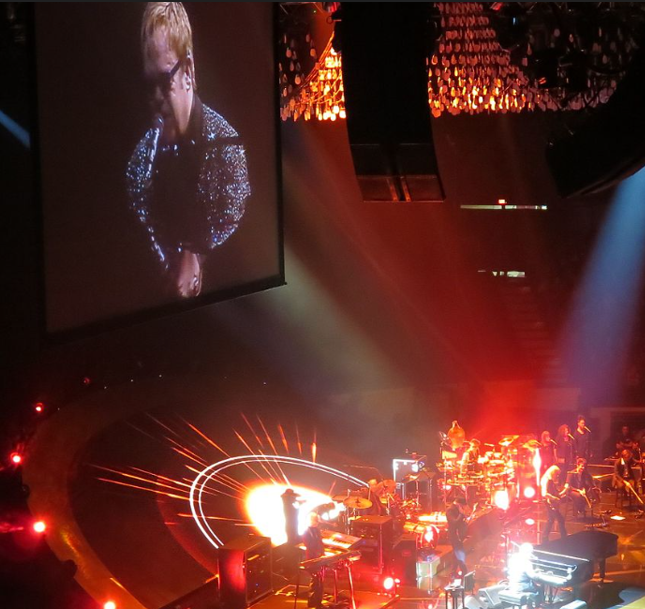
The actual performances themselves also became dramatically more intense. Modern pop concerts are no longer relatively simple stage shows. Fans expect massive visual production, precision choreography, costume changes, emotional vulnerability, social-media-worthy moments, flawless vocals, and cinematic staging all happening simultaneously.
A stadium tour now often resembles a traveling Broadway production combined with an Olympic-level endurance schedule. Artists perform multiple nights each week while crossing time zones constantly, sleeping inconsistently, and managing enormous production teams around them. Even physically healthy performers can struggle to maintain that pace for extended periods.
The emotional energy required can become equally exhausting. Performing deeply personal material night after night in front of massive audiences while remaining publicly charismatic demands a level of emotional output most people never experience professionally.
The Industry Still Romanticizes Exhaustion
Another problem is that the music business still tends to reward overwork culturally.
Artists who push themselves relentlessly are often praised for dedication and professionalism. Meanwhile, postponements or canceled dates frequently trigger immediate backlash online from fans frustrated about ticket costs, travel plans, or unmet expectations.
That creates enormous pressure to continue performing even when artists are mentally or physically struggling.

As Lauren says…
People see sold-out stadiums and think the artist is living a fantasy while ignoring that burnout also travels first class.
Entire financial ecosystems also depend on successful tours continuing without interruption. Promoters, venues, crew members, sponsors, labels, managers, and production companies all rely heavily on live performance revenue. That makes slowing down feel financially dangerous for many artists even when burnout becomes severe.
Burnout Is Starting to Affect Creativity
The nonstop touring cycle also impacts music itself.
Artists spending years moving constantly between hotels, airports, backstage corridors, and performances often have very little space for normal life experiences, creative experimentation, or emotional recovery. Over time, that can create a disconnect between the artist and the actual creative process that initially fueled their success.
Some musicians have started taking longer breaks between album cycles partly because they recognize how creatively draining endless touring can become.
Audiences are beginning to understand that constant visibility comes with consequences too.
The line sounds sarcastic, but it captures something real about the modern music industry.
The Industry May Eventually Need to Slow Down
Touring will always remain essential to pop music. Live performance still creates the strongest connection between artists and fans, and financially it remains one of the most important parts of the business.
But the industry is increasingly facing uncomfortable questions about sustainability. Fans want bigger tours, more content, more access, and more performances than ever before. At the same time, artists are being pushed to maintain impossible levels of visibility and emotional output year-round without much room for recovery. Eventually, something has to give.
Because even the most successful pop stars are still human underneath the lighting rigs, choreography, and stadium screens.