Pop music has always had defining women at the center of its biggest eras. Madonna, Janet Jackson, Whitney Houston, Mariah Carey, Britney Spears, Beyoncé, Lady Gaga, Rihanna, Taylor Swift, and Ariana Grande have all shaped what mainstream pop looks and sounds like.
In the current moment, that pattern feels especially strong. Many of the most talked-about artists in pop are women. They are driving tours, award-show conversations, streaming debates, fashion trends, fan culture, and social media discourse. Whether through massive stadium shows or breakout viral moments, female artists are not just participating in pop culture. They are often setting the agenda.
The “Main Pop Girl” Conversation Is Back
Online pop fandom loves a ranking system. Fans debate who is in their imperial era, who has the best album rollout, who owns the summer, who is underappreciated, and who is ready for a major breakthrough.
That conversation can be messy, but it also shows how much energy surrounds female-led pop. Artists like Taylor Swift, Sabrina Carpenter, Chappell Roan, Olivia Rodrigo, Charli XCX, Dua Lipa, Doechii, Billie Eilish, Tate McRae, and others each represent different versions of modern pop stardom.
Some are traditional hitmakers. Some are album artists. Some are visual world-builders. Some are internet-native personalities. Some blur pop with rap, rock, dance, country, or alternative music.
Together, they show how broad the category of “pop girl” has become.
Personality Matters More Than Perfection
One reason female artists are dominating the conversation is that many of them have strong, recognizable identities. Pop audiences no longer respond only to polished perfection. They want personality, humor, vulnerability, camp, edge, and emotional specificity.
That shift helps explain the rise of artists like Chappell Roan, whose theatrical visuals and bold performance style feel built for both the stage and the internet. It also explains why Sabrina Carpenter’s wit, facial expressions, and lyrical playfulness have become central to her appeal.
Fans are not only listening to songs. They are buying into a persona.
The strongest pop stars today understand that music, fashion, visuals, interviews, live shows, and social media all work together. A catchy single helps. A clear identity makes it last.
Women Are Leading the Album Conversation
Female artists are also helping keep the album alive as a pop format. Streaming has made singles more important, but major albums still create cultural events when fans feel invested in the artist’s world.
Taylor Swift remains the clearest example of album-as-event pop culture, but she is not alone. Billie Eilish, Olivia Rodrigo, Charli XCX, Dua Lipa, Beyoncé, Ariana Grande, and others have shown that albums can still shape public conversation when they arrive with a strong point of view.
These releases are not just collections of songs. They come with aesthetics, theories, visual language, fashion references, lyrical analysis, and fan debate. In that sense, women are not only carrying pop songs. They are carrying pop storytelling.

So says Lauren:
The pop girls are giving vocals, visuals, eras, lore, choreography, controversy, and cultural relevance. Women are carrying pop music so hard right now that someone should check if the men remembered to bring anything besides vibes and a hoodie.
Festival Lineups Are Part of the Story
The conversation around women in pop is also extending into live music. Festival lineups have long been criticized for underrepresenting women, especially as headliners. That makes events centered around female performers more culturally significant.
When major female artists headline festivals, launch their own events, or curate lineups that spotlight women and queer performers, it creates a broader conversation about who gets positioned as a top-tier live draw.
That matters because pop power is not only measured by streams. It is measured by ticket demand, audience loyalty, media attention, and the ability to make a live event feel essential.
The Fanbases Are Powerful
Female pop artists also tend to have some of the most active fan communities online. These fandoms can be intense, but they are also incredibly effective. They organize streaming pushes, decode lyrics, promote performances, defend artists, circulate clips, and turn album releases into full cultural events.
This kind of fan labor can amplify an artist far beyond traditional marketing. It can also make every career move feel like part of a larger narrative.
The downside is that fan culture can become combative. Pop fandom often turns women into rivals, even when their music and audiences are different. Still, the intensity of these conversations proves how central female artists are to the current pop ecosystem.
Are Women Carrying Pop?
In many ways, yes. That does not mean male artists are irrelevant or that pop should be reduced to gender. But if you look at the artists generating the most passionate conversation, visual innovation, fan engagement, and cultural analysis, women are clearly leading much of the field.
They are not all succeeding in the same way. That is the point. Modern female pop stardom now includes singer-songwriters, dance-pop artists, alt-pop performers, theatrical personalities, genre-blenders, rappers, and global superstars.
Pop is more fragmented than ever, but female artists are giving it shape, drama, and identity. Right now, they are not just part of the conversation. They are the conversation.
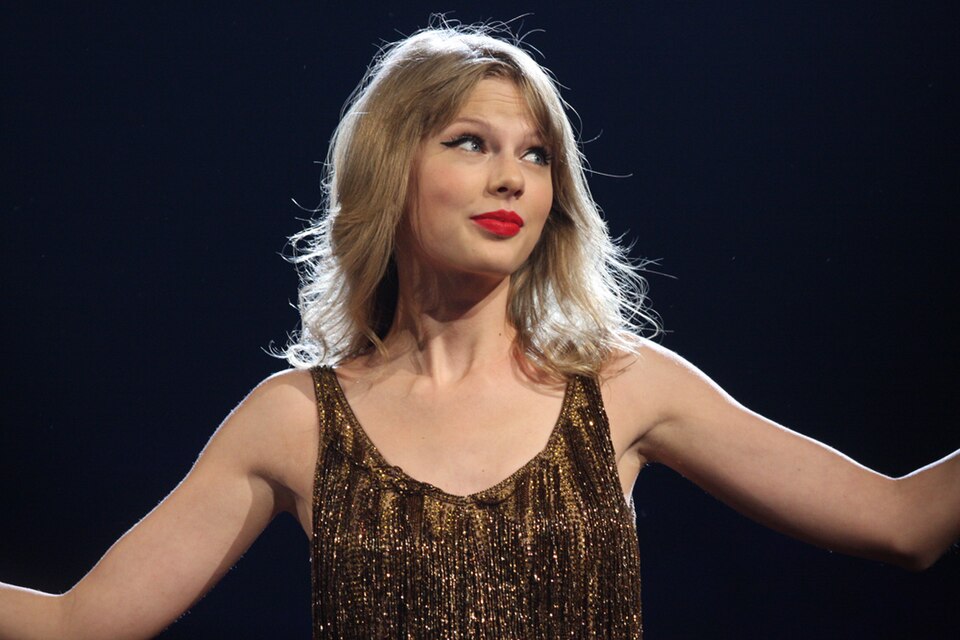
Taylor Image: Eva Rinaldi, CC BY-SA 2.0 https://creativecommons.org/licenses/by-sa/2.0, via Wikimedia Commons