There’s a new phrase quietly haunting the music industry: “Blue Dot Fever.”
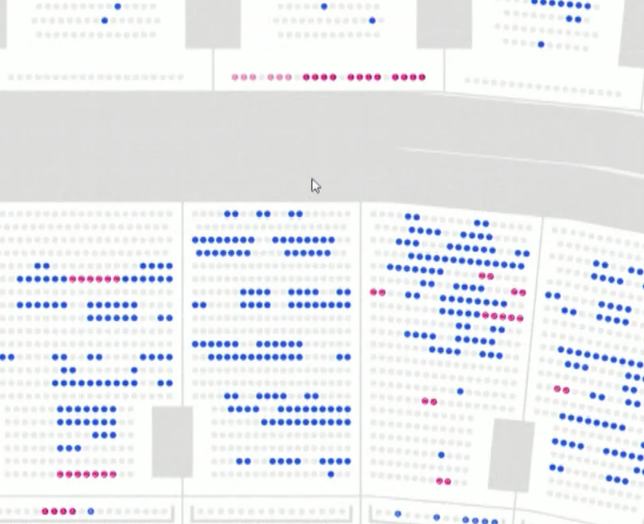
If you’ve spent any time staring at Ticketmaster seating maps lately, you already know what it means. The blue dots represent unsold seats. And in 2026, there are suddenly a lot of them. Recent reporting has linked the term to growing concerns about weak ticket sales and canceled tours across the industry.
What started as fan speculation online has evolved into a genuine industry conversation about whether the post-pandemic touring boom is finally collapsing back to reality.
And honestly, some artists are starting to panic.
The Touring Bubble May Finally Be Deflating
For several years after the pandemic, live music looked unstoppable.
Fans were desperate for experiences again. Stadium tours shattered revenue records. Artists expanded into bigger venues, higher ticket prices, and longer global runs because demand seemed endless.
Now things look shakier.
Multiple artists, including Meghan Trainor, Zayn Malik, and Post Malone, have recently postponed or canceled dates amid widespread online speculation about slow ticket sales.
While artists often cite scheduling, health, or personal reasons publicly, fans increasingly check seating maps themselves. If entire sections remain blue weeks before a show, the internet notices immediately.
Ticket Prices Finally Hit A Breaking Point
A huge part of the problem is affordability.
Concert attendance became brutally expensive after the pandemic boom. Recent reporting noted average concert ticket prices climbed above $130 nationally, with some estimates putting 2026 averages closer to $144 before fees, parking, hotels, or merchandise.
Fans are becoming far more selective.

Lauren, speaking on behalf of everybody:
Ticket prices? Out of control. I shouldn’t have to pay a thousand bucks for me and a buddy to buy tickets, parking, and beer at a concert. What, is it like the Beatles reunion??
Instead of attending multiple tours each year, many people now save for one or two massive cultural events. That benefits top-tier stadium acts but hurts artists stuck in the middle tier between arenas and stadiums.
Industry experts increasingly argue that some artists are booking venues larger than their current demand realistically supports.
And…then there’s this: What ‘blue dot fever’? Live Nation CFO says ‘There is absolutely no data that supports any issues’ with ticket sales.
Streaming Fame Doesn’t Always Translate To Ticket Sales
The industry also spent years confusing online visibility with real-world demand.
Having viral songs or massive streaming numbers doesn’t automatically mean fans will spend hundreds of dollars on live tickets. TikTok popularity especially can create inflated perceptions of artist momentum.
A song can dominate For You Pages for weeks without building the kind of loyal fanbase needed to sustain arena tours.
That disconnect is becoming painfully visible.
Touring Costs Are Crushing Artists Too
Fans aren’t the only ones struggling financially.
Fuel costs, trucking logistics, staffing, venue fees, production expenses, and insurance costs have all surged dramatically. Several recent industry reports noted that even successful tours now operate on thinner margins than audiences realize.
That makes partially sold venues much riskier than they used to be.
For some artists, canceling dates may genuinely be financially smarter than performing half-full arenas.
Social Media Made Empty Seats Impossible To Hide
In previous decades, weak sales were easier to obscure.
Now fans analyze venue maps in real time and spread screenshots instantly. Entire TikTok discussions now revolve around predicting whether tours will survive based on visible seating charts.
That visibility creates reputational damage long before a show actually happens.
Me again:
Nothing humbles an artist faster than fans zooming into Ticketmaster maps like they’re investigating a crime scene.
This Doesn’t Mean Live Music Is Dying
Huge tours still sell extremely well.
Artists with massive cultural momentum continue breaking records, and Live Nation still reported enormous ticket sales overall despite growing “Blue Dot Fever” discourse.
What’s changing is the middle class of touring artists.
The industry may finally be recalibrating after years of inflated expectations, aggressive pricing, and oversaturated touring schedules. Fans still love live music. They’re just becoming more strategic about what feels worth the cost.
And those little blue dots are suddenly exposing the difference between internet hype and genuine ticket-buying demand.