The Foo Fighters are a stadium band. This is an undeniable fact. When they roll into town, they fill baseball fields and massive arenas, delivering a spectacle of pyro, power, and marathon setlists for tens of thousands of people.
But recently, something far more electric, far more rock and roll, has been happening. In an exhilarating move that feels like a throwback to the band’s grunge-era origins, Dave Grohl and the Foos have been announcing last-minute, intimate “pop-up” gigs in tiny clubs—venues so small you can practically smell the sweat from the stage.
The reports have been pouring in: a 900-capacity theater in San Luis Obispo, California; the historic Toad’s Place in New Haven, Connecticut; The Black Cat in Washington, D.C. For fans, it’s not just a concert; it’s a music lottery, a pilgrimage, and a once-in-a-lifetime chance to see rock royalty in a setting they haven’t graced in decades.
The Return to the Roots (And the Sweat)
What is it about these small gigs that has the entire rock community buzzing? It’s the sheer contrast. Seeing a band known for selling out stadiums standing just feet away from you is a visceral, almost shocking experience.
It’s the thrill of the chase, too. Tickets for these shows are typically announced hours before doors open, sold for a flat, fan-friendly price of around $30, and are often box-office-only. This process strips away the corporate ticketing fees and digital bots, leaving a queue of dedicated, die-hard fans willing to camp out for hours just to be part of the magic.
Inside the venue, the energy is incomparable. The setlists tend to feature deep cuts and raw intensity that might get lost in a cavernous stadium. It’s loud, it’s sweaty, and it’s a perfect distillation of what makes the Foo Fighters one of the greatest live bands on the planet.
The Big Reason for the Small Shows
While these intimate shows serve a few practical purposes—like giving the band’s newest drummer, Ilan Rubin, a chance to road-test the setlist in a high-intensity environment—the truest motivation seems to be the pure joy of it.
Frontman Dave Grohl has hinted at this himself, telling one intimate crowd that these small performances are vital. For a band that has reached the pinnacle of global rock superstardom, these club shows are a reset button. They are a moment to connect directly with the audience without the buffer of a hundred yards of empty space. It’s a return to the garage, the pub, the sticky-floored venue where the love affair between the band and rock and roll began.
The Foo Fighters could be anywhere in the world, playing for tens of millions of dollars. The fact that they choose to gather a few hundred devoted fans for a $30 show is a beautiful reminder that for them, it’s not always about the size of the crowd—it’s about the depth of the connection.
If the “Everything or Nothing at All” tour is the blockbuster movie, these pop-up gigs are the gritty, independent documentary: essential, unforgettable, and raw. Keep your eyes peeled and your running shoes ready—you never know where the Foo Fighters might pop up next.

Listen to PopMusicTrends Podcasts
A deep dive into Popnomics, the economic side of the pop music industry for artists.
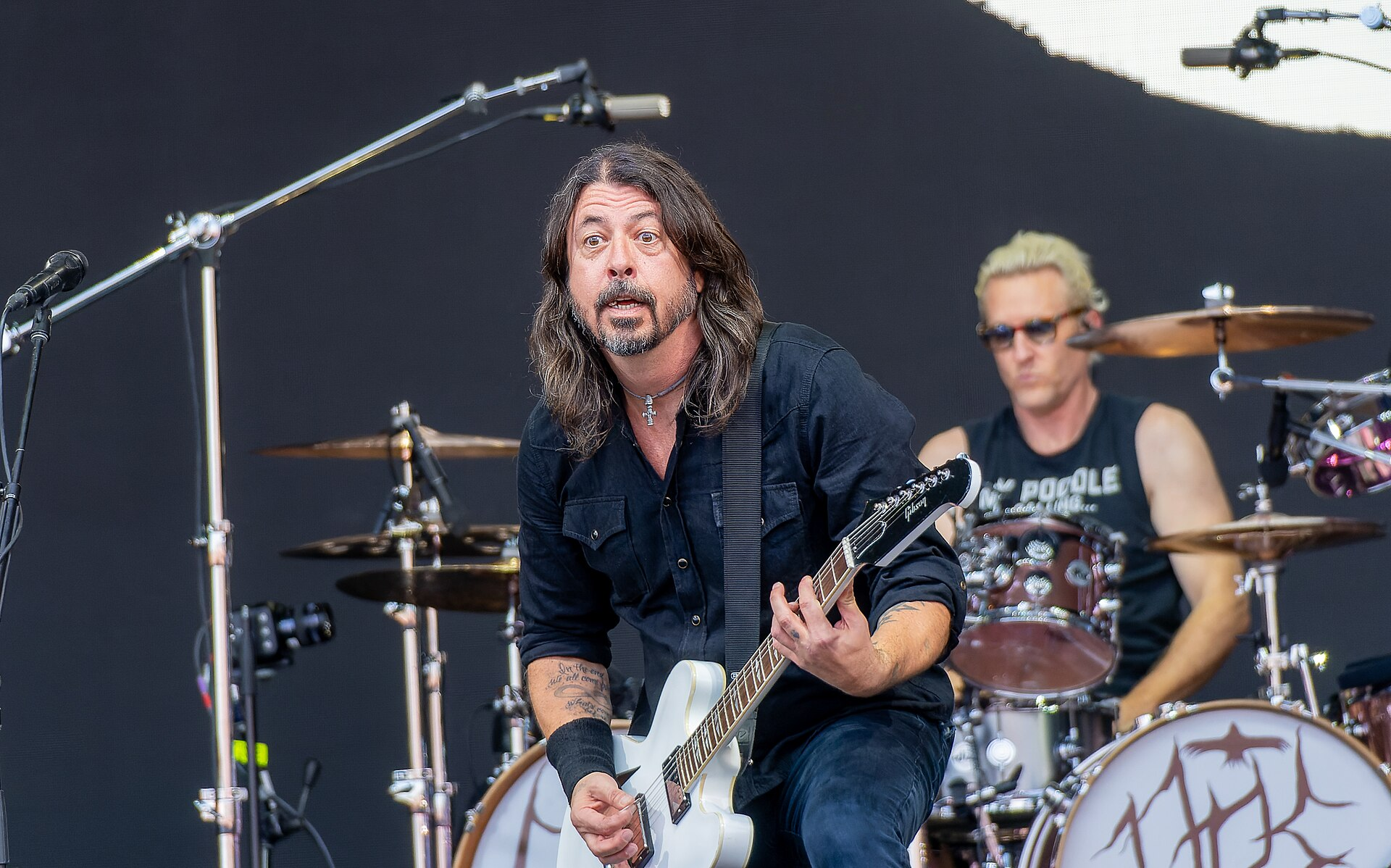
Image By Raph_PH – Glasto2023 (28 of 468), CC BY 2.0, https://commons.wikimedia.org/w/index.php?curid=133740924