For decades, pop hits followed a familiar path. Songs climbed charts through radio airplay, label promotion, and word-of-mouth momentum. Today, that trajectory has shifted dramatically. Platforms like TikTok have redefined how audiences discover music, turning short video clips into powerful engines of cultural influence.
A song no longer needs traditional marketing to break through. Instead, a 10-second dance trend or relatable lyric can propel an unknown artist into global recognition overnight. The result is a new definition of what it means to be a “hit,” one driven less by long-form listening and more by rapid, repeatable moments.

Lauren’s hot take?
I love a catchy hook as much as anyone, but if the entire song exists just to serve one viral moment, what happens when the trend ends? A real hit should survive outside the algorithm. Otherwise, it’s just background noise with good lighting.
The Rise of the Hook-First Song
One noticeable change is how artists structure their music. Many modern pop tracks begin with immediate energy rather than slow-building intros. Producers and songwriters increasingly focus on creating memorable hooks that capture attention within seconds, reflecting the way audiences scroll through content.
This shift has sparked debate within the industry. Supporters argue that it encourages creativity and experimentation, while critics worry that songs are becoming shorter and more formulaic.
Viral Fame vs. Long-Term Careers
While TikTok can launch artists into the spotlight quickly, sustaining momentum remains a challenge. Many viral hits fade once trends shift, leaving musicians searching for ways to convert fleeting attention into loyal fanbases.
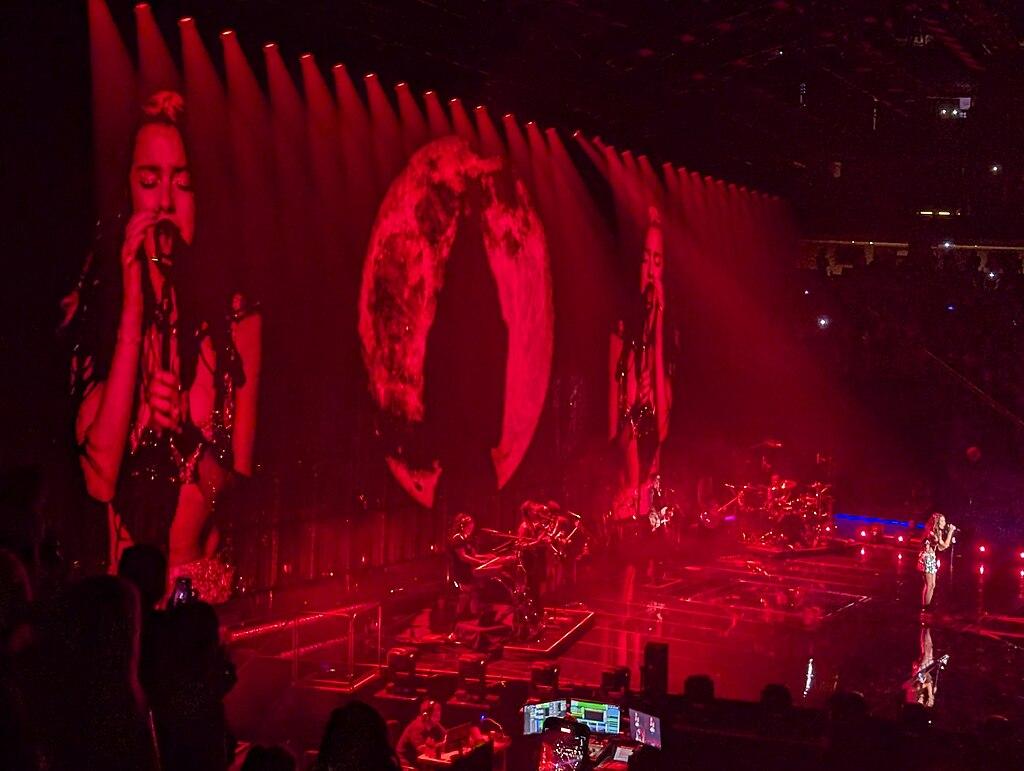
Industry observers note that artists who engage authentically with fans — through storytelling, live performances, or consistent visual identity — often achieve longer-lasting success than those relying solely on viral exposure.
Record labels have begun adapting their strategies as well. Instead of waiting for traditional chart signals, some teams monitor social platforms closely, identifying emerging trends and accelerating promotion for songs that gain traction organically.
The Listener Experience Is Changing
TikTok doesn’t just influence artists; it also shapes how audiences interact with music. Songs are often consumed as fragments tied to specific visuals or emotions rather than as complete narratives. This fragmented listening experience has blurred the line between music and social media content.
For listeners, the upside is constant discovery. New voices can break through without the gatekeeping that once defined the industry. However, the fast pace of trends can also make it difficult to form lasting connections with artists.
Some fans describe a sense of “musical déjà vu,” where multiple songs feel designed for the same viral template. Whether this represents creative evolution or a temporary phase remains an open question.
Artists Adapting to a New Creative Landscape
Many musicians are embracing the platform not just as a promotional tool but as part of their artistic process. Behind-the-scenes clips, songwriting snippets, and humorous commentary allow artists to humanize themselves in ways traditional marketing never could.
At the same time, some creators choose to resist the pressure to tailor music specifically for social media. They argue that authenticity resonates more deeply than trend-chasing, even if it leads to slower growth.
Beyond the Algorithm
Despite TikTok’s influence, industry analysts believe that traditional measures of success still matter. Touring demand, fan engagement, and sustained streaming numbers often determine whether a viral artist can transition into a long-term career.
The evolving relationship between music and social media highlights a broader transformation within pop culture. Songs are no longer just audio experiences; they are multimedia events shaped by visuals, storytelling, and community participation.