Streaming revenue continues to rise across the global music industry, with platforms reporting record payouts and expanding subscriber bases. On the surface, the numbers suggest a thriving ecosystem where artists have more access to listeners than ever before. Yet beneath those headline figures lies a more nuanced reality: many mid-tier pop artists are finding it increasingly difficult to sustain stable careers.
These artists are not newcomers, nor are they chart-topping superstars. They occupy the space in between, with dedicated fanbases and steady release schedules. Historically, this tier formed the backbone of the music business, supported by touring, physical sales, and radio exposure. In the streaming era, however, attention has become the most valuable currency, and it is unevenly distributed.
The Visibility Challenge
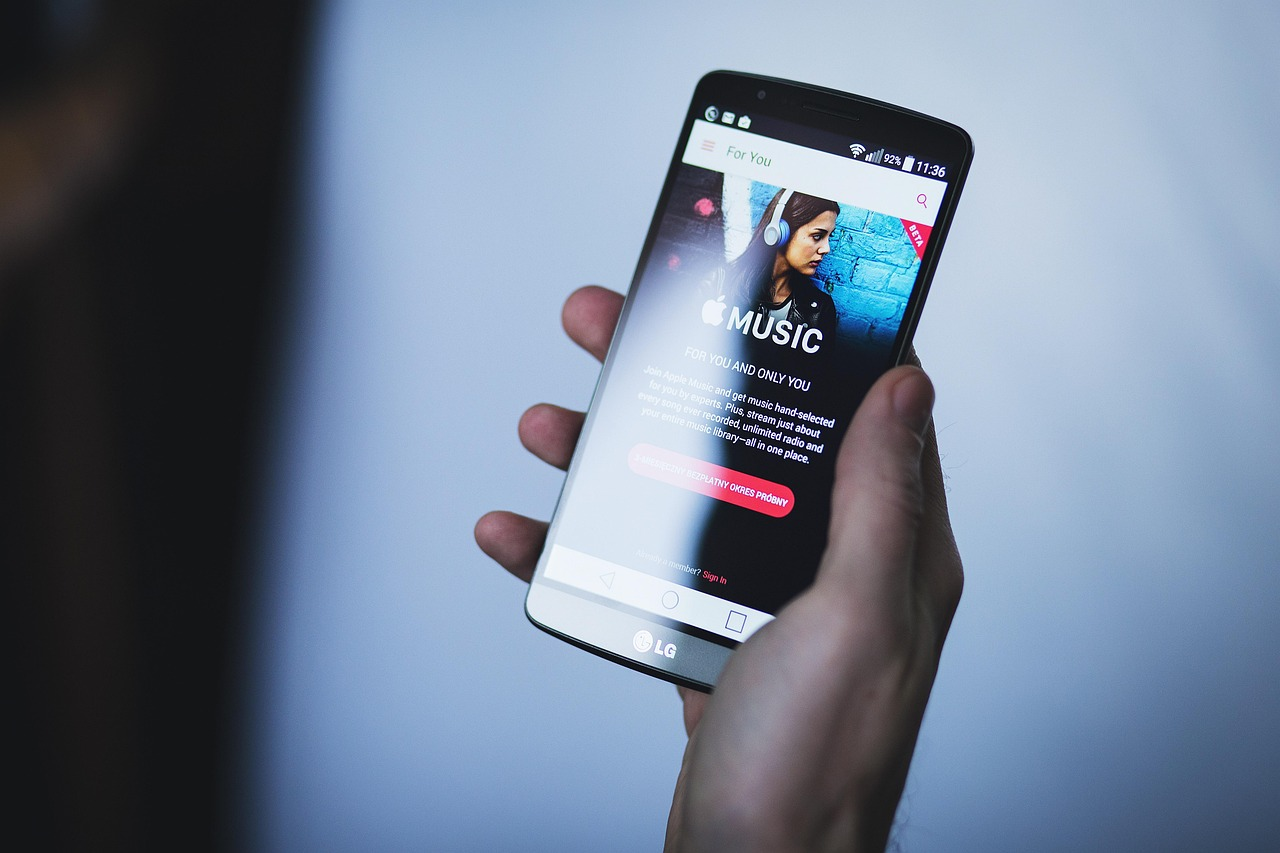
Streaming platforms have democratized distribution, allowing anyone to upload music and reach a global audience. But that same openness has intensified competition. With tens of thousands of new tracks appearing daily, listeners face an endless stream of choices. Algorithms play a major role in deciding which songs surface, and those systems tend to favor artists who already generate high engagement.
For mid-tier musicians, this creates a feedback loop. Without significant editorial placement or viral momentum, their music can struggle to reach new listeners, even if the quality is high. As a result, many artists report feeling pressure to release more frequently in hopes of triggering algorithmic growth.

Lauren is Screaming from the Sidelines:
I keep hearing that streaming “levels the playing field.” Maybe. But it also turned music into a crowded airport terminal where everyone’s yelling over each other. The loudest voice isn’t always the best song. And yeah, that’s frustrating.
Touring and the New Economics of Sustainability
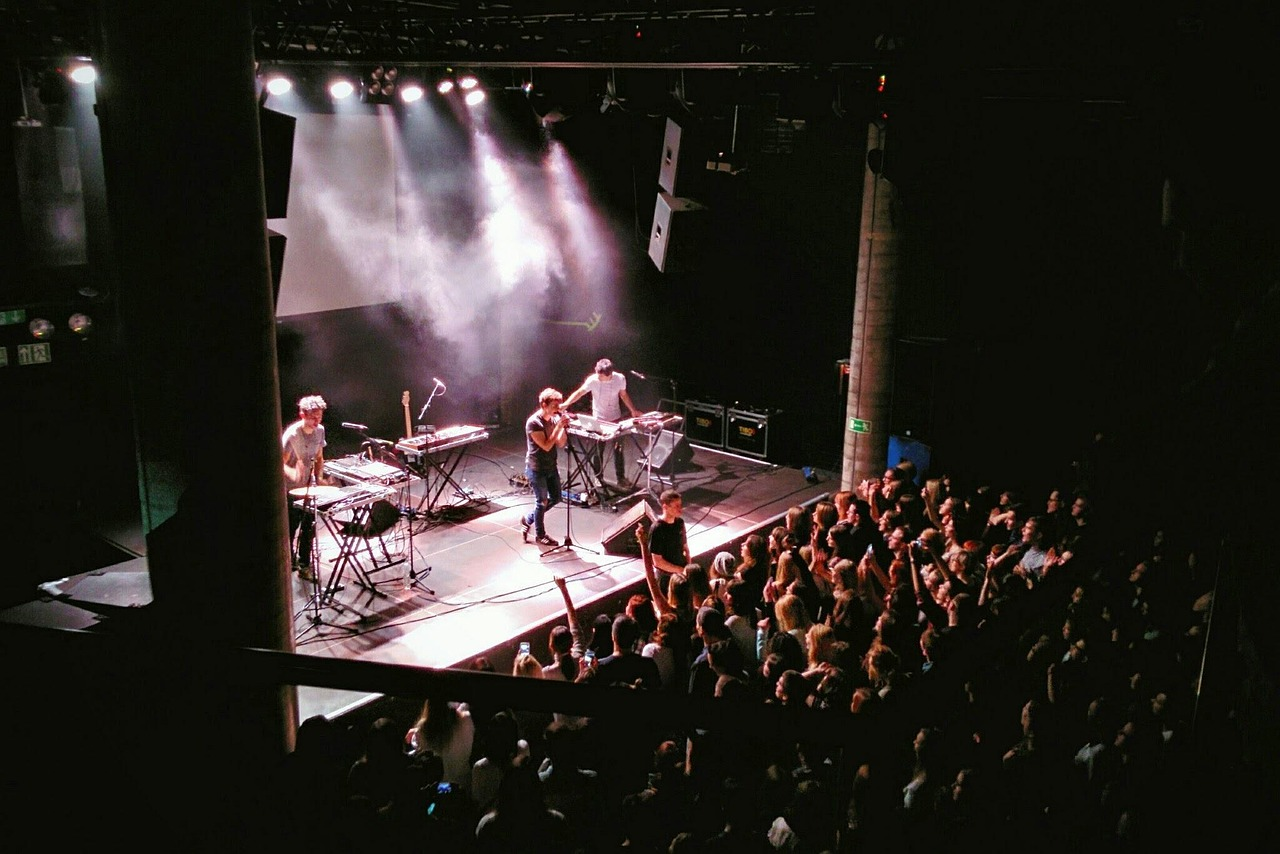
Because streaming payouts alone rarely provide consistent income for mid-tier artists, live performances have become increasingly important. Touring offers higher margins and direct fan engagement, but it also introduces new risks. Rising production costs, travel expenses, and shifting consumer behavior have made touring more complex than in previous decades.
Some artists respond by shifting toward smaller, more targeted shows rather than large-scale tours. Others lean into direct-to-fan platforms that allow supporters to contribute through memberships or exclusive content. These strategies highlight a broader shift in how artists approach career stability: success is less about a single revenue stream and more about maintaining a diversified ecosystem.
The Algorithm vs. the Audience
One of the most debated aspects of streaming culture is the role of algorithms in shaping listener behavior. While personalized playlists can introduce audiences to new music, they also encourage passive listening. Songs are often consumed as part of a broader mood-based experience rather than as individual artistic statements.
This environment can make it harder for mid-tier artists to build strong brand identities. Listeners may recognize a track without knowing the artist behind it, reducing long-term loyalty. Some musicians attempt to counter this by focusing on storytelling, visual identity, or deeper fan interaction outside of streaming platforms.
A Changing Definition of Success
In earlier eras, success was measured by album sales, chart positions, and radio airplay. Today, metrics such as monthly listeners, saves, and social media engagement play a larger role. While these numbers offer valuable insights, they can also blur the line between genuine fan connection and fleeting digital attention.
Industry analysts suggest that the future of mid-tier pop may depend on how platforms evolve monetization tools. Features that enable direct fan support or more transparent revenue sharing could help artists bridge the gap between exposure and sustainability.