For years, pop music seemed obsessed with mood over melody. Whisper-pop dominated playlists. Choruses blurred into verses. Entire songs felt designed for background listening instead of screaming along in the car.
But suddenly, the giant pop hook is back.
The biggest songs of the past year have something in common: they actually explode. They build. They release tension. They have choruses that people remember after one listen. After nearly a decade of minimalist streaming-era songwriting, mainstream pop appears to be rediscovering the power of the massive chorus.
And honestly? It was overdue.
The Streaming Era Flattened Pop Music
Streaming changed songwriting in ways listeners didn’t immediately notice.
When Spotify became the industry’s dominant platform, producers and labels started optimizing songs for skips instead of singalongs. Intros got shorter. Songs became shorter overall. Dynamics disappeared. The goal became maintaining listener attention every second rather than building toward a payoff.
That led to a wave of atmospheric pop songs where the vibe mattered more than the hook.
Think early Billie Eilish or the softer side of Olivia Rodrigo’s catalog. Even when the songwriting was excellent, the structure often avoided traditional “go big” chorus moments. Producers prioritized intimacy and replayability over bombast. The result? A lot of songs sounded emotionally muted.

Lauren’s not-so-hot take:
“If your chorus sounds like someone sighing into a weighted blanket, maybe it’s not the anthem you think it is.”
Pop Fans Started Craving Release Again
Now the pendulum is swinging back. Artists like Chappell Roan and Sabrina Carpenter are thriving partly because their music feels unapologetically huge. Their choruses hit immediately and dramatically.
“Good Luck, Babe!” works because it understands tension and payoff. “Espresso” sticks because it delivers an actual melodic release instead of circling the same restrained cadence for two and a half minutes.

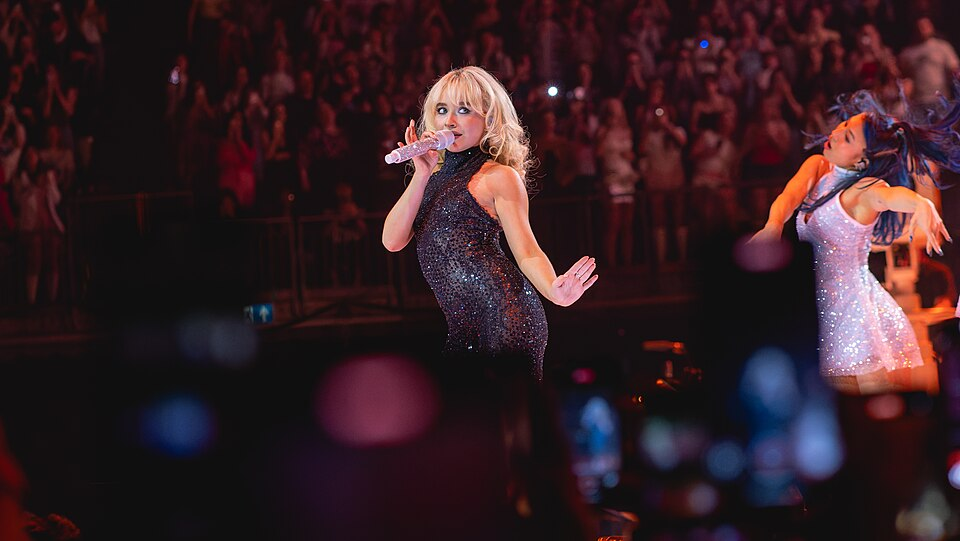
Concert culture also plays a role. Stadium tours have become the center of the music business, and giant choruses translate better live. Fans want songs they can scream together for TikTok clips, tour videos, and fan edits. Tiny bedroom-pop murmurs don’t always survive in arenas.
TikTok Accidentally Helped Bring Hooks Back
Ironically, TikTok initially contributed to the death of traditional choruses.
Songs became structured around one viral moment instead of a complete composition. Labels hunted for a single catchy 15-second snippet that could explode online. That encouraged repetitive songwriting and fragmented structures.
But audiences adapted quickly. Now users recognize when a song exists purely for algorithm bait. Viral moments still matter, but listeners increasingly reward songs that hold up beyond the clip. Aesthetic nostalgia? It works.
That’s helped reintroduce proper pop architecture: verses, builds, bridges, and giant choruses. Even TikTok favorites now often rely on memorable melodic payoffs rather than detached spoken-word hooks.
The 2000s Influence Is Impossible to Ignore
A lot of this revival comes from pop’s ongoing obsession with the 2000s.
Modern artists are clearly pulling from the maximalist instincts of acts like Kelly Clarkson, Katy Perry, and early Lady Gaga. That era prioritized choruses above everything else. Songs were designed around giant melodic peaks that could dominate radio, clubs, commercials, and live performances simultaneously. Today’s pop stars grew up on that music. Now they’re reintroducing those instincts into a streaming ecosystem that had temporarily abandoned them.
And listeners are responding immediately because memorable hooks never actually stopped working. The industry just convinced itself they weren’t sophisticated enough anymore.
Bigger Choruses Also Mean Bigger Personalities
The return of the hook also coincides with the return of theatrical pop stars.
The ultra-minimalist aesthetic that dominated the late 2010s often treated overt performance as cringe. Many artists leaned heavily into understatement and emotional detachment.
Now flamboyance is back. Artists are embracing camp, drama, humor, and spectacle again. Bigger personalities naturally pair well with bigger choruses. You can hear it in the vocal delivery, the production choices, and even the visual branding surrounding modern pop releases.
Are Hooks Fully Back for Good?
Probably. Maybe. But they’re evolving.
Modern pop choruses still tend to be tighter and faster than their 2010s counterparts. Songs rarely hit four minutes anymore. Producers still frontload memorable moments early.
But the emotional payoff is returning. And that matters.
The biggest difference between today’s strongest pop songs and the mood-heavy streaming tracks of a few years ago is simple: people actually remember them afterward.
Hooks never disappeared completely. Pop just temporarily forgot how satisfying they could be.
Now audiences want release again. They want drama. They want melodies big enough to survive outside an algorithm. And for the first time in years, mainstream pop music is finally starting to sound fun again.
IMAGE: Raph_PH, CC BY 2.0 https://creativecommons.org/licenses/by/2.0, via Wikimedia Commons