Why are so many hits sad beneath the surface? Even upbeat pop songs now carry emotional tension. Think of Olivia Rodrigo’s “Vampire” or Lauv’s “I Like Me Better,” which has now topped 100m views.
They pulse with nostalgia and heartache while still being catchy.
Todya, listeners are drawn to songs that let them feel complex emotions safely. Melancholy pop blends happiness and sadness, giving listeners catharsis without despair. It’s the musical equivalent of a rainy drive with the windows down — moody, beautiful, and strangely comforting.
Producers and writers achieve this balance through harmonic contrast.
Major chords paired with introspective lyrics, dreamy reverb-soaked vocals, and gentle tempo shifts all contribute to that bittersweet tone. Soft dissonances or suspended chords can hint at unease beneath the melody.
Neuroscience suggests we enjoy sadness in art because it triggers empathy rather than pain. Sadness in music releases dopamine and prolactin (the same chemicals linked to relief and bonding). That’s why heartbreak anthems can feel strangely uplifting.
Time to Experiment?
Experiment with tension between tone and content. Write hopeful lyrics over somber chords or vice versa. The goal is not despair but resonance. Melancholy pop thrives because it reflects real life: complex, contradictory, and ultimately human.
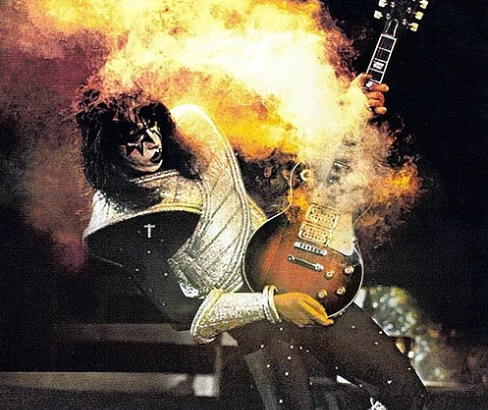
Image: Csab6482, CC BY-SA 4.0 https://creativecommons.org/licenses/by-sa/4.0, via Wikimedia Commons