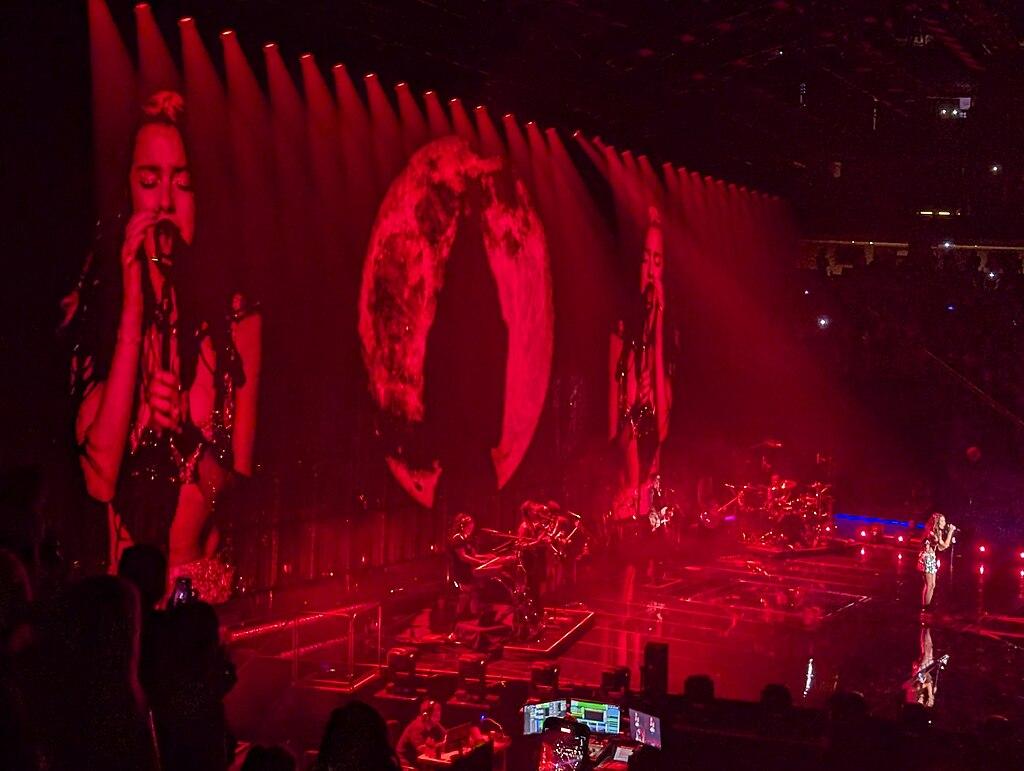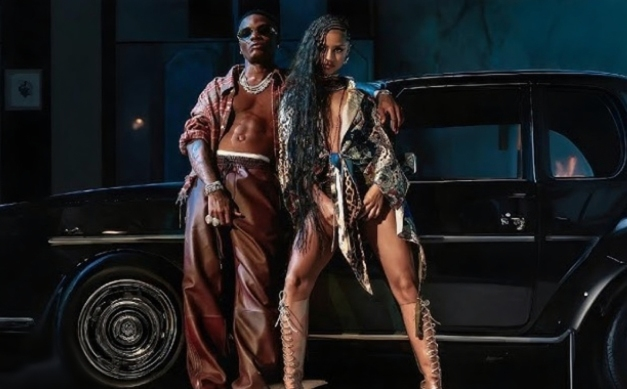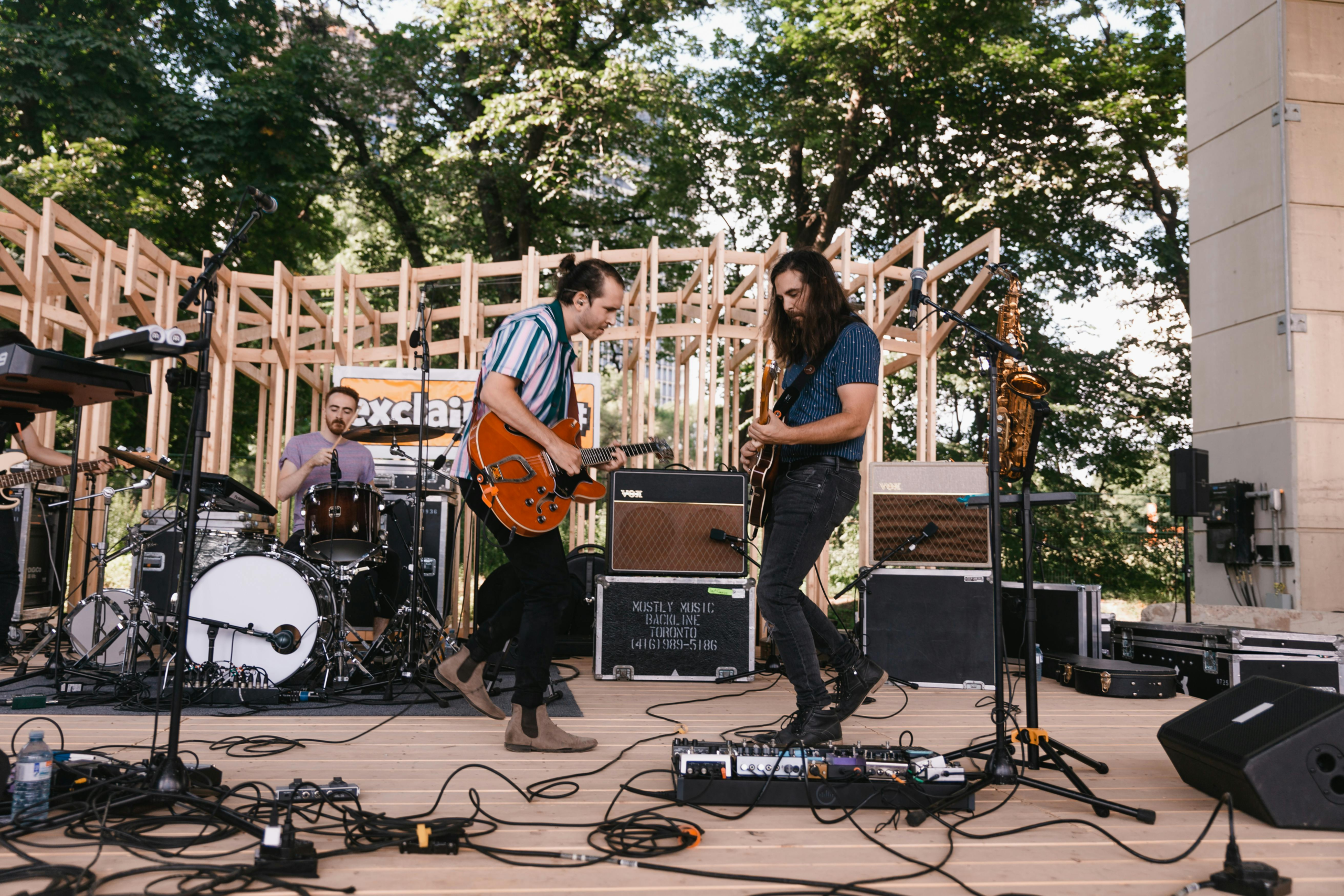
For decades, the music industry operated with a clear, almost rigid, distinction between “indie” and “mainstream.” Indie artists toiled in obscurity, building grassroots followings, often prioritizing artistic integrity over commercial success. Mainstream acts, backed by major labels, commanded airwaves and stadiums, their sounds polished to a commercial sheen. But something fundamental has shifted. Today, that once-impenetrable line is not just blurring; it’s practically vanished, giving rise to an era of “indie mainstream dominance.
We’re witnessing a fascinating phenomenon: independent artists are not just gaining significant traction, they are becoming the mainstream. What’s truly remarkable is that many of them are doing so while retaining the very “DIY” spirit and quirky attitudes that defined their independent origins. They’re proving that commercial success doesn’t have to equate to artistic compromise.
The reasons for this seismic shift are multifaceted. Firstly, technology has democratized access to creation and distribution. A bedroom producer with a laptop can now craft a radio-ready track and distribute it globally with a few clicks, bypassing the traditional gatekeepers of major labels. Platforms like Spotify, Apple Music, and especially TikTok have become powerful discovery engines, allowing songs to go viral purely on their merit, regardless of the marketing budget behind them.
Secondly, audience tastes have evolved. The internet has fostered a generation of listeners with incredibly diverse palates, hungry for authenticity and unique voices. The meticulously crafted, sometimes formulaic pop of yesteryear no longer holds the undisputed sway it once did. Listeners are actively seeking out artists who feel real, who experiment, and who aren’t afraid to challenge conventions. The “quirky attitude” and “DIY aesthetic” that once marked an artist as niche are now often seen as desirable traits, signaling genuine artistry.
Consider artists who have traversed this path. While some might eventually sign major label deals, they often do so on their own terms, leveraging their pre-existing independent success for greater creative control. They bring their established brand, their loyal fanbase, and their unique sound with them, rather than being molded by a label. This allows them to scale up their operations – better production, wider distribution, larger tours – without sacrificing the essence of what made them appealing in the first place.
This trend isn’t just about individual success stories; it’s reshaping the entire industry. Major labels are increasingly looking to the independent scene for talent, often signing artists who have already proven their commercial viability on a smaller scale. This means that the “indie” space has become a vibrant incubator for future mainstream stars, but stars who often arrive fully formed, with a strong artistic identity forged outside the traditional system.
The vanishing divide between indie and mainstream isn’t just a win for artists; it’s a win for music lovers. It means a more diverse, authentic, and creatively daring soundscape is becoming the norm, proving that sometimes, the most revolutionary path to the top is the one less traveled.