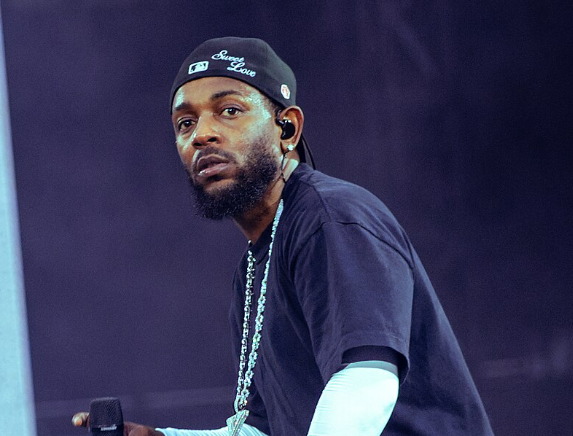
For decades, the pop industry relied on genre categories to guide marketing, radio placement, and audience targeting. Songs were labeled as pop, rock, hip hop, or country, and those distinctions shaped how listeners discovered new music. Today, those boundaries are dissolving.
Streaming platforms encourage exploration across styles, exposing audiences to sounds from around the world. A single track might blend electronic beats, country storytelling, and global dance rhythms, creating something that defies traditional classification. For listeners, this shift feels natural. For record labels, it presents a challenge.
Genre used to provide a roadmap. Now it offers fewer guarantees.
Data Has Replaced Assumptions
In the past, industry executives relied on intuition and historical trends to predict which songs might succeed. Genre categories made it easier to target radio formats and demographic groups. Now, data analytics often drives decision-making. Algorithms analyze listener behavior rather than relying on predefined labels.
This change has altered how hits emerge. A song that begins in a niche playlist can suddenly cross into multiple audiences without a clear marketing strategy. As a result, labels struggle to anticipate which tracks will resonate widely.
Artists benefit from this unpredictability because it allows for greater creative freedom. At the same time, it introduces uncertainty for teams responsible for promotion and long-term planning.

My margin note for today:
Maybe the industry needs to admit something. Listeners never cared about genre boxes as much as executives did. If a song feels right, people hit play. It really can be that simple.
– lauren
Collaboration Without Borders
One of the most visible effects of genre fluidity is the rise of cross-cultural collaborations. Artists increasingly work with producers and performers from different regions, blending styles that once existed in separate markets. These partnerships reflect the global nature of streaming audiences.
Listeners who once discovered music primarily through local radio now encounter artists from across continents through curated playlists and social platforms. The result is a pop landscape that feels more diverse and less predictable.
This openness has also reshaped how new artists position themselves. Rather than aligning with a single genre identity, many describe their sound in broader terms that emphasize mood or storytelling instead of category.
Marketing in a Post-Genre World
For labels and marketing teams, genre fluidity introduces both opportunities and complications. On one hand, it expands the potential audience for a song. On the other, it makes targeting more complex.
Traditional promotional channels were built around genre-based silos. Without those clear divisions, teams must rely more heavily on real-time analytics and audience behavior patterns. Playlist placement has become a key driver of discovery, sometimes replacing the role once held by radio formats.
Some industry observers believe this shift represents a more authentic relationship between artists and listeners. Instead of being filtered through rigid expectations, music can reach audiences organically based on emotional connection.
Creative Freedom Meets Market Pressure
While genre blending allows artists to experiment, it also raises questions about identity. With so many influences shaping the sound of modern pop, standing out can be difficult. Some critics argue that the absence of clear categories leads to music that feels interchangeable.
Others view the trend as a natural evolution. Pop music has always absorbed elements from different cultures and styles. The difference now is speed. Digital platforms accelerate the exchange of ideas, making experimentation the norm rather than the exception.
Artists must balance innovation with clarity. A distinctive voice remains essential even in a fluid musical landscape.
The Future of Hit Making
As genre boundaries continue to fade, predicting hits may become less about identifying a specific sound and more about understanding cultural moments. Songs that resonate emotionally or visually often outperform those that follow traditional formulas.
Industry analysts suggest that the most successful labels will be those that embrace flexibility. Instead of forcing artists into predefined categories, they may focus on storytelling, collaboration, and audience engagement.
For listeners, genre fluidity offers a richer musical experience. Playlists feel less restricted, and discovery becomes more dynamic. For artists, it creates an environment where experimentation is encouraged, even if the path to success is less predictable.
The era of rigid musical labels may not disappear entirely, but its influence is clearly fading. In its place emerges a pop landscape defined by curiosity, collaboration, and a willingness to break boundaries. Whether this shift leads to greater artistic freedom or new forms of market pressure remains to be seen, but one thing is certain. The sound of pop is evolving faster than ever.