Pop has always been collaborative, but the scale today is unprecedented. Dozens of writers and producers might touch a single track. What once seemed chaotic now defines the sound of modern hits, especially when you’re competing with thousands of other artists every minute.
Example: Charli XCX and Troye Sivan’s “1999,” or anything co-written across continents through shared sessions.
Features aren’t just marketing; they’re artistic expansion.
When two artists share DNA on a track, fans from both camps merge. Collabs like “Cold Heart” by Elton John and Dua Lipa show how cross-generation and cross-genre partnerships keep pop evolving.
For emerging artists, collaboration is a fast track to growth. Each session is a classroom. You learn structure, lyric phrasing, and workflow from peers. But successful co-writing demands trust and chemistry. The best results come from aligned vision, not just networking.
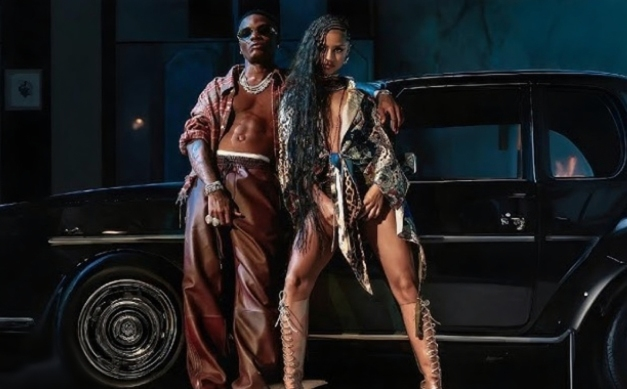
Think: DYNAMITE by Tyla and Wizkid
or Gaga and Bruno Mars.
Why It Matters for Emerging Artists
Working together expands your creative palette and reach. Every collaboration adds new DNA to your sound. For today’s musician, the solo genius myth is fading. Pop’s evolution now depends on shared creativity: a collective voice that keeps the genre endlessly renewing itself.
YOUR NEXT READ: How artists are crafting songs to beat the algorithm.

Listen to PopMusicTrends Podcasts
A deep dive into Popnomics, the economic side of the pop music industry for artists.